
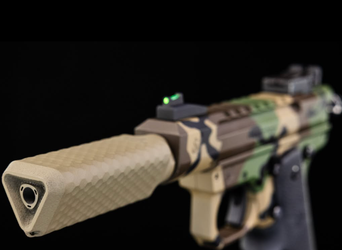
Suppressor Size vs. Performance
Sep 19th 2026
Does Size Matter?
The year of 2026 and the NFA updates have made suppressors more popular than ever, and every manufacturer on the market is producing them now. When choosing a suppressor, no matter what caliber, size is one of the most important factors to consider. A larger suppressor can offer advantages in sound reduction and heat management, while a smaller suppressor can provide a more compact and maneuverable setup. The right choice ultimately depends on how the suppressor will be used and which characteristics matter most for the application.
Understanding the relationship between suppressor size and performance can make it easier to choose a configuration that balances sound reduction, weight, length, and overall handling.
Our team at Silent Armament Forge is going to break it down.
Does a Larger Suppressor Reduce More Sound?
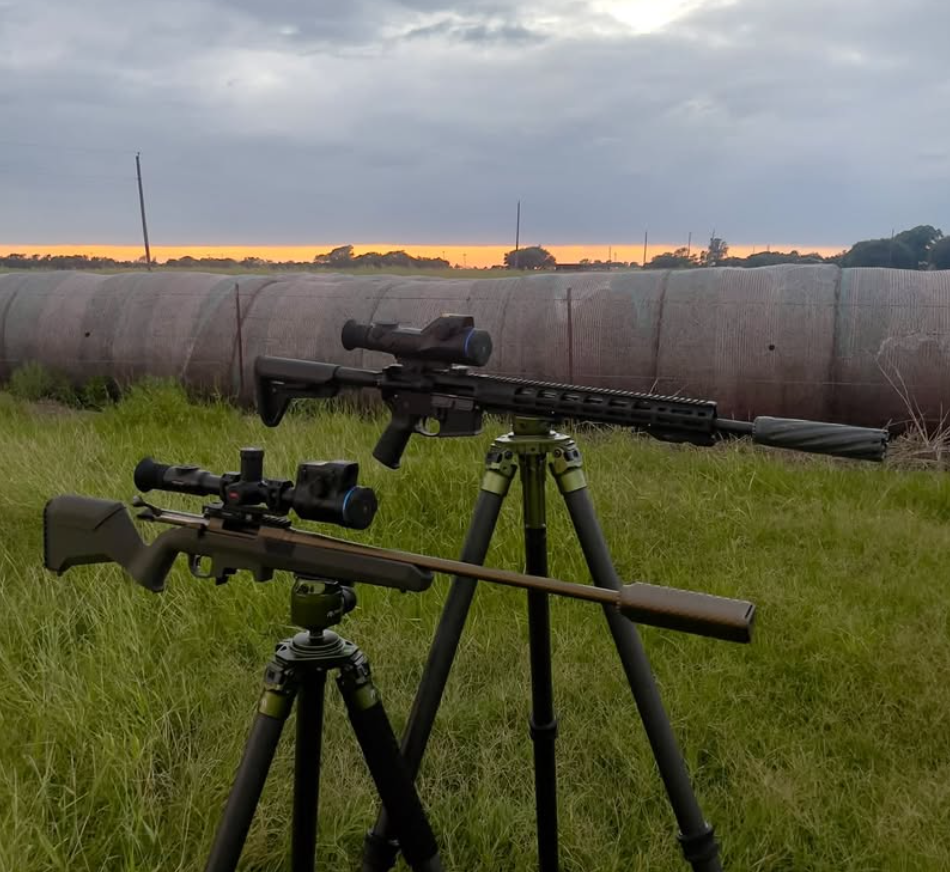
In general, suppressor volume can play an important role in sound suppression. A larger internal volume gives expanding gases more space to slow, cool, and redirect before they exit the suppressor.
However, size alone does not determine performance.
Suppressor design, internal geometry, materials, caliber, barrel length, ammunition, and host firearm can all affect the shooter's overall experience. Two suppressors with similar dimensions can produce different results depending on their internal design.
For this reason, it is important to look beyond overall length and diameter when comparing suppressors.
Suppressor Length vs. Sound Reduction
Suppressor length can contribute to additional sound reduction, but there are tradeoffs.
A longer suppressor may provide more internal volume and additional space for gas management. The downside is that adding length to the firearm can affect maneuverability and handling.
For applications where compactness is important, a shorter suppressor may be preferable even if it provides less overall suppression than a longer design.
The key question is not simply:
"What is the longest suppressor available?"
Instead, consider:
"How much suppression do I need, and how much additional length am I willing to accept?"
Suppressor Diameter and Internal Volume
Diameter is another major factor in suppressor design. Increasing diameter can increase internal volume without requiring the same increase in overall length. Depending on the design, additional volume can provide more room for expanding gases to slow and cool.
A larger diameter can also affect the physical profile of the firearm. This may be less noticeable on some configurations and more significant on compact or lightweight platforms.
Suppressor designers therefore have to balance diameter, length, internal volume, weight, and performance rather than maximizing any single measurement.
Smaller Suppressors: Compactness and Maneuverability
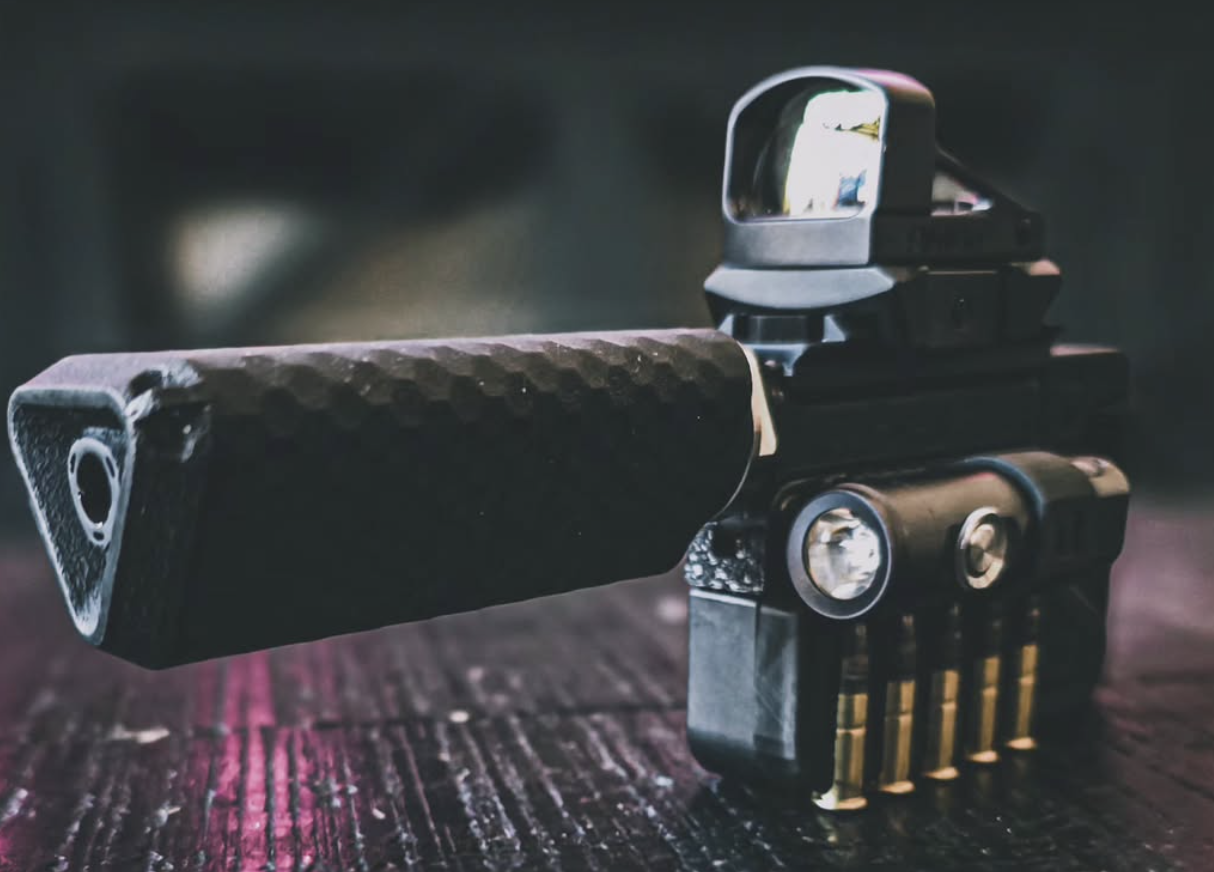
Compact suppressors have become popular because they can provide suppression while keeping the firearm's overall profile shorter when attached.
A shorter suppressor can offer several practical advantages:
- Reduced overall length
- Lower weight
- Improved maneuverability
- Easier storage and transportation
- Less impact on firearm balance
- A more compact overall configuration
The tradeoff is that a compact suppressor may have less internal volume than a larger design.
For users who prioritize a lightweight and maneuverable setup, that tradeoff can make sense.
Larger Suppressors: Volume and Heat Management
Larger suppressors can provide more internal volume, which can help manage expanding propellant gases.
Additional mass and surface area can also influence how a suppressor handles heat during firing. However, suppressor performance under repeated fire depends on the complete design, materials, firing schedule, and host firearm—not simply whether the suppressor is physically large. A larger suppressor can still wear down.
This makes intended use (and maintenance) especially important.
A suppressor designed around compactness may be ideal for one application, while a larger suppressor designed around greater volume and durability may be better suited to another.
Suppressor Weight Matters
Suppressor performance isn't only about decibel reduction.
Weight can have a significant effect on how a firearm feels and handles. Adding weight at the muzzle changes the balance of the firearm and can make it feel different during movement or extended use.
For a lightweight firearm, a large suppressor can have a noticeable effect on handling.
A smaller suppressor may provide a better overall balance when minimizing weight is a priority.
When comparing suppressors, consider:
- Overall weight
- Overall length
- Diameter
- Mounting system
- Intended host firearm
- Expected firing schedule
- Caliber compatibility
- Sound performance
- Heat management
Looking at these characteristics together provides a much better picture than focusing on a single specification.
Suppressor Size and Back Pressure
Suppressor size and internal design can also influence how gases interact with the host firearm.
Back pressure can affect gas flow, cycling behavior, and the amount of gas directed toward the shooter. The relationship between suppressor dimensions and back pressure isn't necessarily straightforward, however.
Internal geometry plays a major role.
A larger suppressor is not automatically a low-back-pressure suppressor, just as a compact suppressor isn't automatically a high-back-pressure design. The engineering behind the suppressor matters.
Does a Bigger Suppressor Always Mean Better Performance?
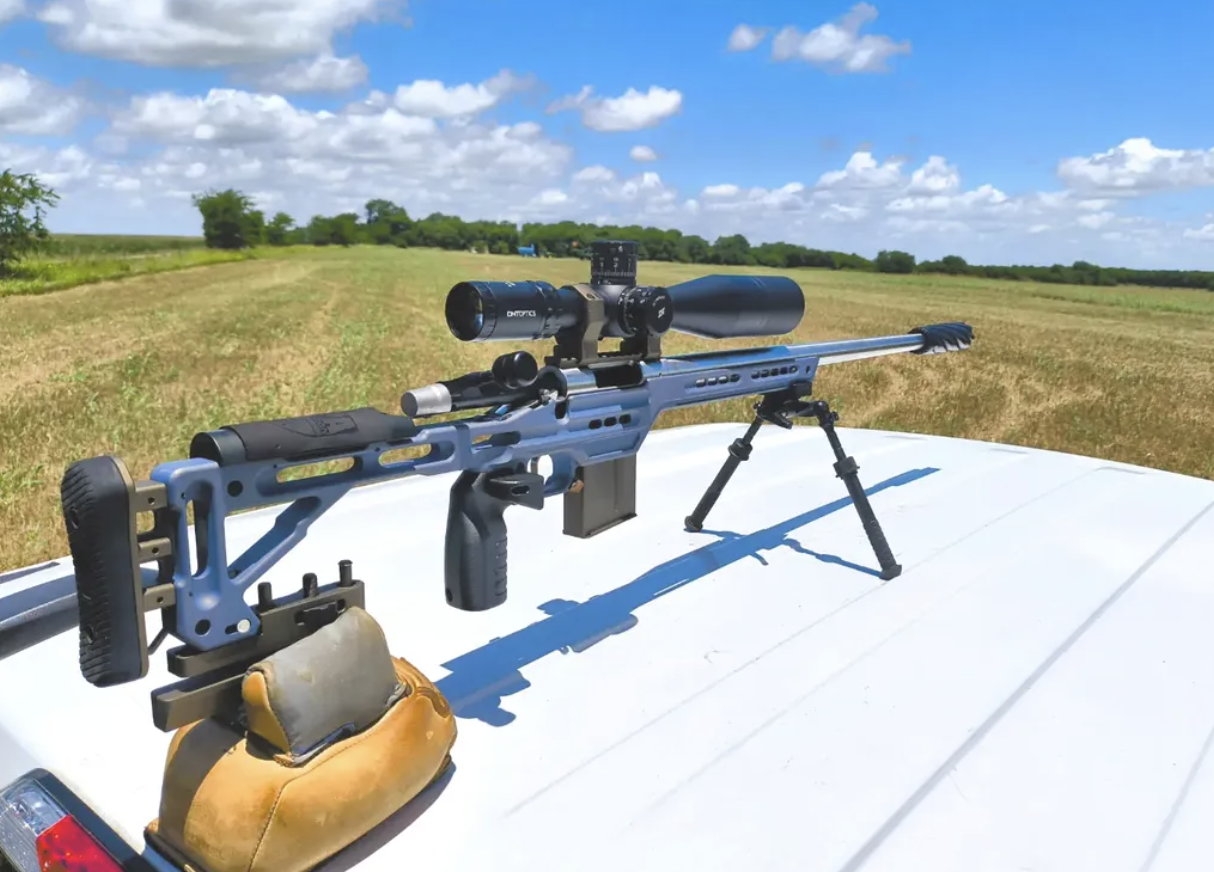
No, not necessarily. A larger suppressor may provide advantages in certain performance categories, but that doesn't make it universally better.
A suppressor is part of a complete firearm system. The ideal configuration depends on what the user wants to accomplish.
For example, someone prioritizing minimum overall length may accept a different level of sound reduction in exchange for a more compact setup. Someone prioritizing maximum suppression may be willing to add length and weight.
There is no single suppressor size that is optimal for every firearm and application.
How to Choose the Right Suppressor Size
Start by identifying the characteristics that matter most to you.
1. Consider the Host Firearm
The size and weight of the firearm can influence which suppressor makes sense.
A compact firearm may benefit from a compact suppressor, while a larger platform may accommodate a larger design without the same impact on handling.
2. Consider Your Intended Use
Think about how the suppressor will actually be used.
Are you primarily concerned with keeping the overall setup compact? Is sound suppression the primary consideration? Will the suppressor see occasional use or more demanding firing schedules like consistent training or range time where you are hitting steel for hours?
Your answers can help determine which size range makes sense.
3. Compare Weight and Length
Two suppressors can provide similar levels of suppression while having different dimensions and weights.
Pay attention to the complete package rather than looking at sound performance alone.
4. Look at the Complete Design
Suppressor performance depends on more than physical dimensions.
Materials, internal geometry, mounting system, caliber, barrel length, type of ammunition, and host firearm can all contribute to the final result.
Find the Right Balance With SilentAF
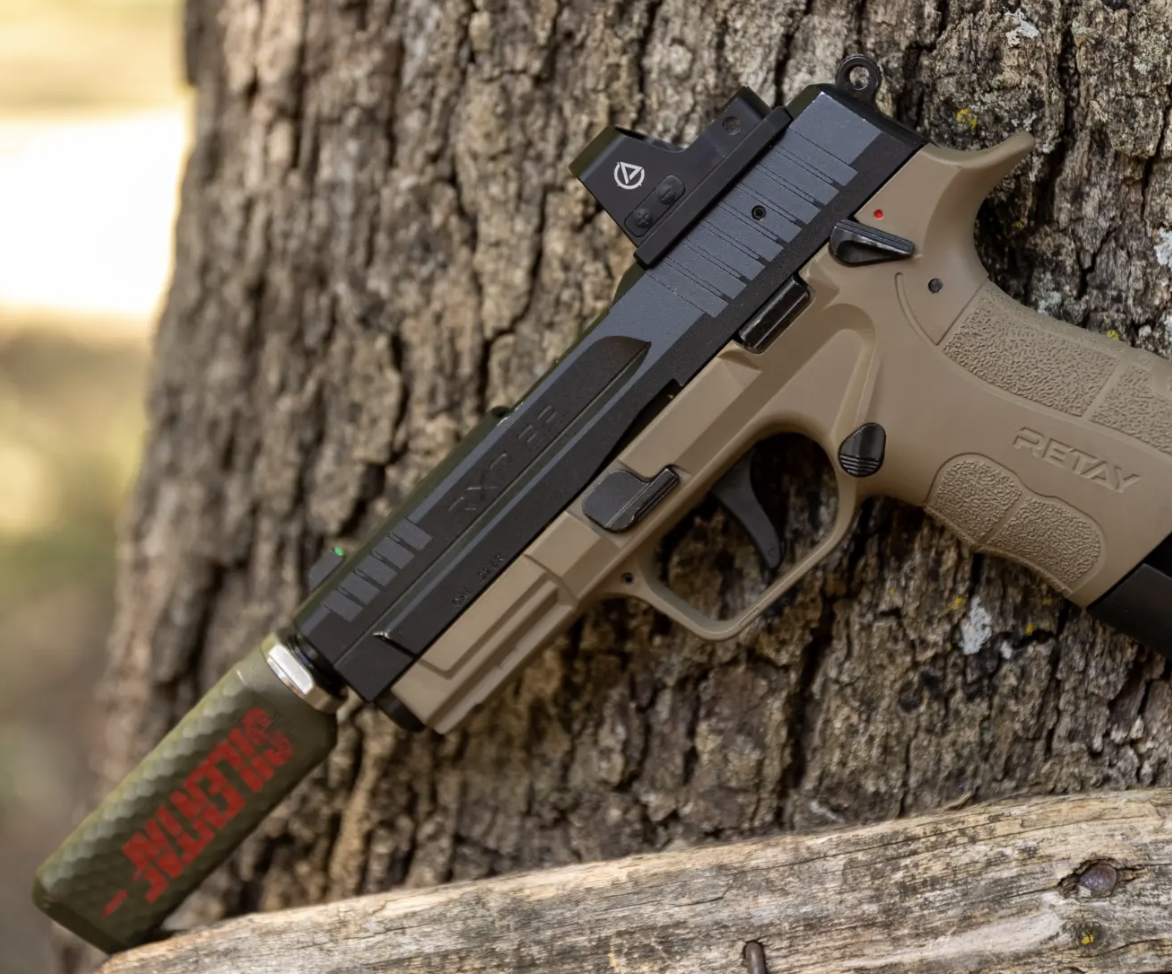
Choosing a suppressor is ultimately about finding the right balance between size and performance.
A larger suppressor can provide additional internal volume and may offer advantages in sound and heat management, while a compact suppressor can reduce overall length and weight. Neither approach is automatically the right choice for every application.
SilentAF focuses on suppressor solutions designed with real-world performance and practical considerations in mind. Explore SilentAF's suppressor lineup to find a configuration that fits your firearm and intended application.
Choose your priorities. Choose your configuration. Choose SilentAF.
Be sure to follow SilentAF on Instagram!