
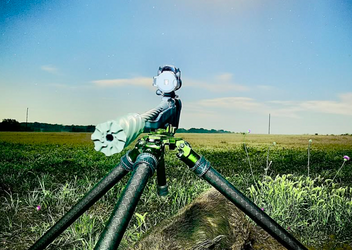
Suppressor Heat
May 19th 2026
How Hot Do Cans Really Get?
Suppressors, commonly called “cans”, are one of the most effective upgrades for reducing decibel output, helping to control recoil, and muzzle flash. With the implementation of the Big Beautiful Bill which removed the $200 fee from suppressor tax stamps. While suppressors are becoming more popular, they come with a major reality check that every shooter eventually learns the hard way: they get extremely hot, extremely fast, and they stay hot far longer than most people expect.
Understanding suppressor heat isn’t just about curiosity; it affects safety, gear selection, barrel life, and how you actually structure training sessions. Our team at Silent Armament Forge is going to break it down.
Why Suppressors Heat Up So Fast
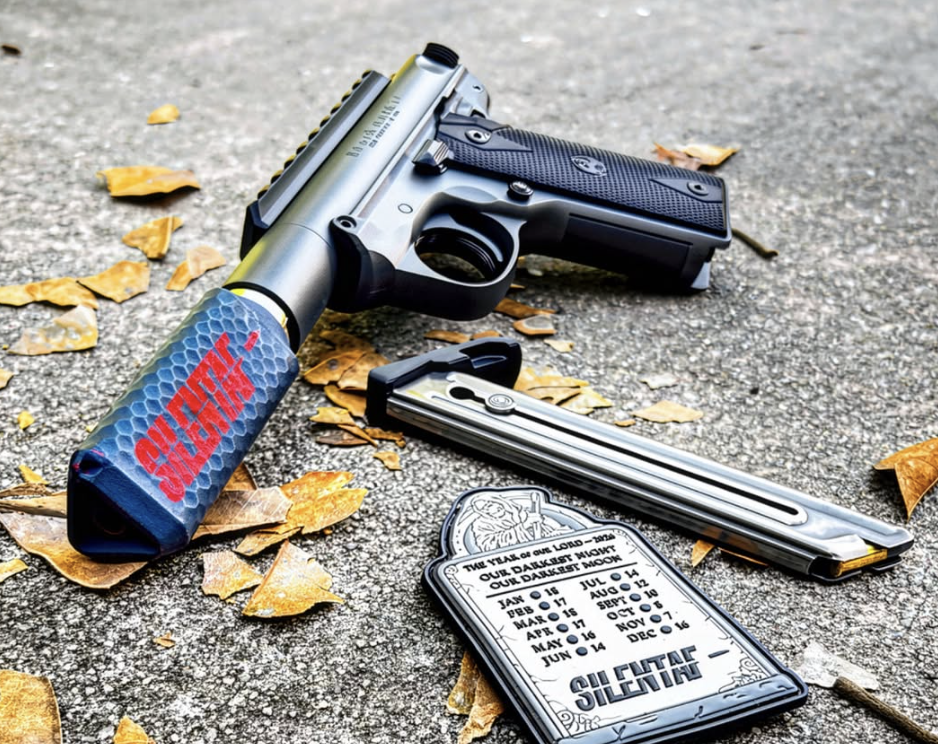
A suppressor works by capturing and slowing high-pressure gas that exits the barrel after firing. That gas is:
- Extremely hot (from burning powder)
- Under high pressure
- Expanding rapidly
- Full of kinetic and thermal energy
Instead of that energy venting instantly into the atmosphere, the suppressor contains it long enough to redirect and cool it. The tradeoff is simple: energy doesn’t disappear—it transfers into the suppressor itself.
Every shot adds more heat into a relatively small metal tube with limited surface area to shed it.
Realistic Suppressor Temperature Ranges
Suppressor temperature varies depending on caliber, barrel length, firing speed, and suppressor material, but real-world use falls into fairly consistent ranges. For example, if you are firing your semi-automatic AR styled rifle, it will heat up differently than a little bolt action .22 LR.
Light to Moderate Shooting (slow fire, spaced shots)
- Typically stays under 300–400°F
- Heat is noticeable but manageable
- Exterior may feel hot but not instantly dangerous
This is the kind of temperature you’ll see during casual range shooting with pauses between strings.
Standard Range Use (several mags, moderate cadence)
- Common range: 400–700°F
- Heat builds quickly after 1–3 magazines
- Suppressor becomes unsafe to touch without protection
At this level:
- Mirage begins to appear through optics
- The suppressor radiates heat visibly
- Adjacent parts of the handguard may also heat soak
This is where most shooters are surprised by how fast things escalate.
High-Volume or Training Sessions (rapid semi-auto fire)
- Often reaches 700–900°F
- Back-to-back magazines push heat retention hard
- Suppressor may remain dangerously hot for 20–45 minutes afterward
At this stage:
- Coatings like Cerakote may discolor over time
- Heat distortion through optics becomes significant
- Burn risk is severe even after shooting stops
Extreme Use / Abuse Conditions (dumping mags, sustained fire)
- Can exceed 900–1,200°F
- Some suppressors may approach or exceed dull-red heat in low-light conditions
This level is typically associated with:
- Full-auto fire
- Repeated mag dumps
- Military-style endurance testing
At these temperatures:
- Metal expansion becomes significant
- Baffle erosion accelerates
- Mounting systems experience extreme stress
- Mirage becomes severe and continuous
Why Suppressors Retain Heat So Long
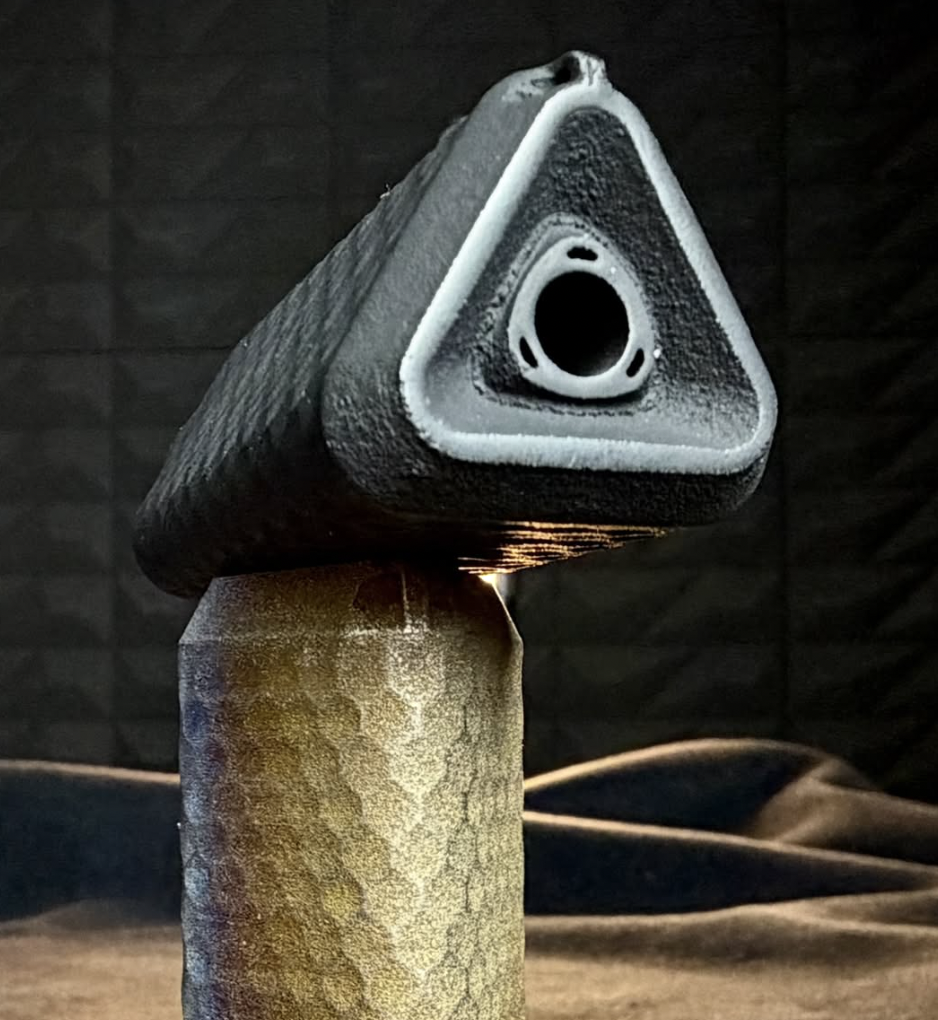
One of the biggest misconceptions is that suppressors cool quickly once shooting stops. In reality, they are heat reservoirs, not just heat exchangers.
Several factors contribute to slow cooling:
1. Dense metal construction
Most suppressors are made from stainless steel, titanium, or Inconel alloys. These materials are designed to withstand heat—but that also means they hold onto it.
2. Limited surface area
A suppressor is a compact cylinder. Compared to its internal heat load, it has very little surface area to radiate energy efficiently.
3. Internal heat trapping
Baffles and internal chambers continue to radiate heat outward long after firing stops.
4. Heat soak from the barrel
The suppressor doesn’t heat alone—the barrel feeds additional thermal energy into it, especially during extended firing strings.
“It Feels Fine” — The Most Dangerous Misconception
A suppressor can feel deceptively safe on the outside while still being extremely hot internally, and this can be very dangerous.
That’s because:
- The outer layer cools faster than the core
- Airflow can make the surface feel cooler than it is
- Internal baffles retain heat far longer than the tube exterior
A suppressor that feels “warm” can still easily be hot enough to cause second-degree burns.
Even after firing stops:
- It may take 20–60 minutes to fully return to safe handling temperatures
- Larger suppressors or high round counts can extend that cooling window even longer
How Suppressor Heat Affects Shooting Performance
Heat isn’t just a safety issue when it comes to suppressor usage, it directly impacts shooting quality and the overall performance.
1. Optical mirage
As hot air rises from the suppressor and barrel, it distorts light waves. This causes:
- Wavy sight pictures
- Target shimmer
- Reduced precision at distance
The longer the barrel and suppressor stay hot, the worse this effect becomes.
2. Point of impact shift
As the suppressor heats:
- Metal expands
- Barrel harmonics change
- Point of impact can drift slightly
This is especially noticeable in precision rifles.
3. Increased wear on components
Sustained high temperatures can accelerate:
- Baffle erosion
- Gas port wear in barrels
- Finish degradation
- Mounting system fatigue over long-term use
Material Differences and Heat Behavior
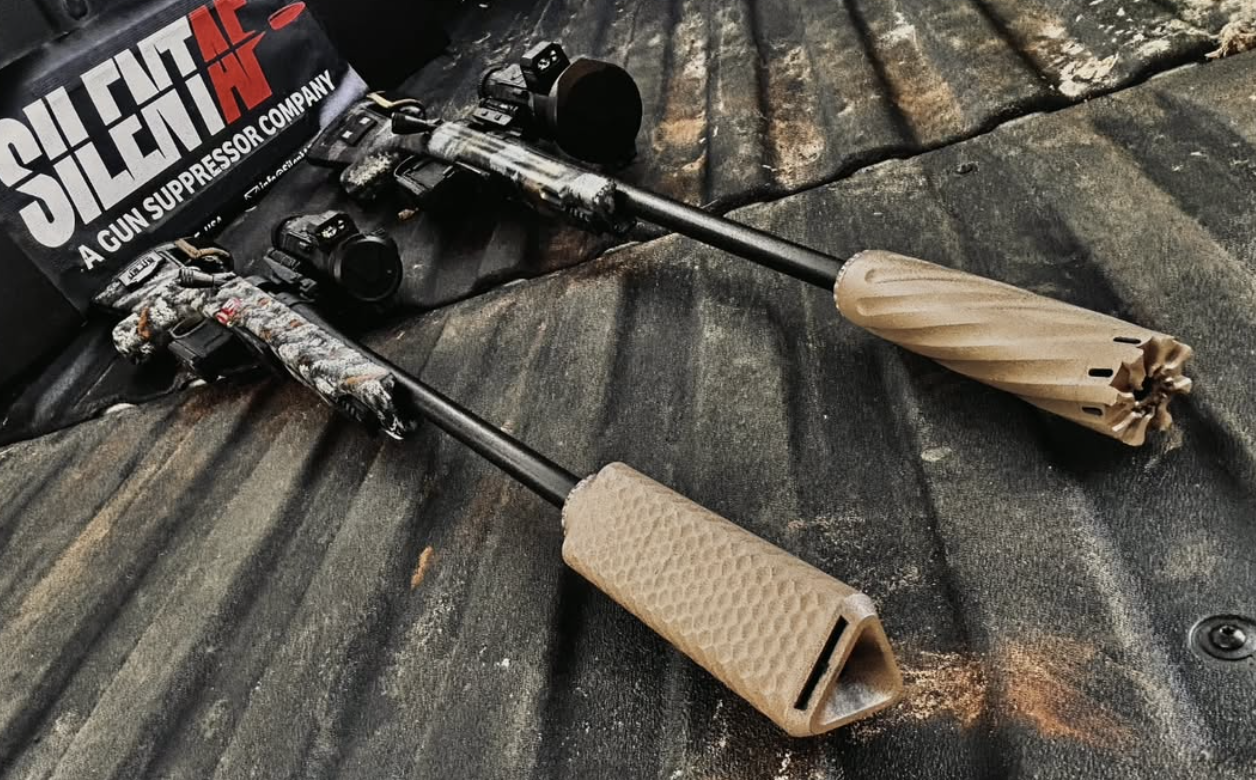
Not all suppressors handle heat the same way.
Titanium
- Heats quickly
- Cools relatively fast
- Lightweight
- Not ideal for extreme full-auto heat cycles
Stainless steel
- Slower to heat than titanium
- Retains heat longer
- Very durable under semi-auto fire
Inconel and high-temp alloys
- Built for extreme heat resistance
- Handles sustained fire better than most materials
- Common in hard-use or duty suppressors
Material choice directly affects how long a suppressor stays hot and how much abuse it can tolerate.
Can Heat Damage a Suppressor?
Yes—but usually only under sustained or repeated abuse conditions.
Normal use will not destroy a quality suppressor. However, excessive heat can eventually lead to:
- Accelerated baffle erosion
- Warping or stress fatigue in extreme cases
- Coating discoloration or breakdown
- Reduced lifespan of internal components
Most modern suppressors are designed to handle heavy semi-auto use, but they are not immune to physics. Heat is cumulative over time.
Safe Handling Practices
Suppressor heat management is mostly about discipline and awareness.
Never assume it’s cool
Even if it looks safe, it may still be dangerously hot inside.
Let it cool naturally
Air cooling is the safest method. Forced cooling (like water or snow) can cause thermal shock and damage.
Use gloves or tools if necessary
Heat-resistant gloves or suppressor handling tools can prevent burns during extended sessions.
Plan your training around heat
If you’re training and running multiple mags or drills:
- Build in cooldown periods
- Rotate rifles if possible
- Be realistic about sustained firing limits
Final Thoughts
Suppressors are highly effective tools, but they come with a major thermal reality:
They convert sound reduction into heat retention.
In practical terms, that means:
- 300–400°F is common during normal use
- 600–900°F is easy to reach in training scenarios
- 1,000°F+ is possible under extreme conditions
And most importantly, suppressors don’t just get hot—they stay hot long after shooting stops. Understanding suppressor heat isn’t just technical knowledge. It’s what keeps you from getting burned, protects your equipment, and helps you train smarter instead of just harder.
Be sure to follow SilentAF on Instagram!