

Adjustable Gas Blocks Explained
Jul 4th 2026
Do You Need One for a Suppressed AR-15?
If you've recently started shooting your AR-15 with a suppressor, you've probably heard people recommend installing an adjustable gas block. While they're often discussed as a must-have upgrade, not every rifle needs one. Understanding what an adjustable gas block does—and when it's actually beneficial—can help you build a more reliable, smoother-shooting rifle.
In this guide, our team at Silent Armament Forge is going to explain how adjustable gas blocks work, their advantages and disadvantages, and whether adding one makes sense for your suppressed setup.
What Is an Adjustable Gas Block?
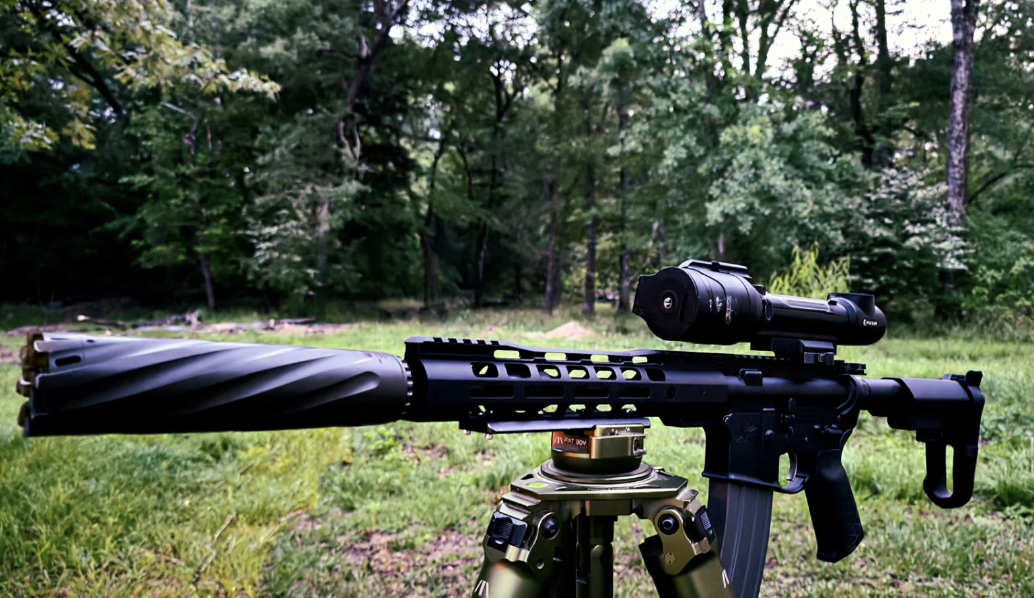
An adjustable gas block is a replacement for the standard gas block found on an AR-15. Its purpose is to regulate the amount of gas that's redirected from the barrel into the rifle's operating system.
In a traditional direct impingement AR-15, gas travels from the barrel through the gas block and gas tube before entering the bolt carrier group. This gas cycles the action by unlocking the bolt, extracting the spent casing, and chambering the next round.
A standard gas block allows the full amount of available gas to flow through the system. An adjustable gas block lets you fine-tune that flow, reducing or increasing the amount of gas used to cycle the rifle.
Why Suppressors Increase Gas Pressure
When you attach a suppressor, you're adding volume to the end of the barrel. Instead of gases immediately escaping into the atmosphere, they're temporarily contained inside the suppressor.
This creates additional back pressure that can send more gas back through the rifle's operating system.
The result often includes:
- Increased bolt carrier speed
- More felt recoil
- Additional gas to the shooter's face
- Faster component wear
- More carbon buildup inside the rifle
- Louder action noise
The amount of back pressure depends on the suppressor's design. Traditional baffle suppressors generally produce more back pressure than modern low-back-pressure designs.
How an Adjustable Gas Block Helps
An adjustable gas block allows you to reduce the amount of gas entering the system until the rifle cycles reliably.
Instead of allowing excess gas to drive the bolt carrier harder than necessary, the rifle can operate using only the gas it needs.
Benefits include:
- Reduced felt recoil
- Less gas blowback
- Smoother cycling
- Less wear on internal components
- Faster follow-up shots
- Reduced muzzle movement
For competitive shooters and experienced rifle builders, properly tuning the gas system can noticeably improve the shooting experience.
Signs Your Rifle Is Over-Gassed
Many factory AR-15s are intentionally over-gassed to ensure reliability with a wide range of ammunition and environmental conditions.
Once a suppressor is added, that extra gas can become excessive.
Common symptoms include:
- Brass ejecting far forward (1–2 o'clock)
- Harsh recoil impulse
- Excessive gas in your face
- Flattened or damaged case rims
- Increased fouling inside the receiver
- Faster-than-normal bolt movement
While these signs don't always require an adjustable gas block, they often indicate that the rifle could benefit from tuning.
Are Adjustable Gas Blocks Necessary?
Not always.
Whether you need one depends on several factors:
- Suppressor design
- Barrel length
- Gas system length
- Ammunition
- Buffer weight
- Bolt carrier design
- Intended use
Many modern suppressors are engineered to minimize back pressure, allowing rifles to run smoothly without major modifications.
If your rifle already cycles reliably, has manageable recoil, and doesn't produce excessive gas blowback, an adjustable gas block may offer only modest improvements.
Adjustable Gas Block vs Buffer System
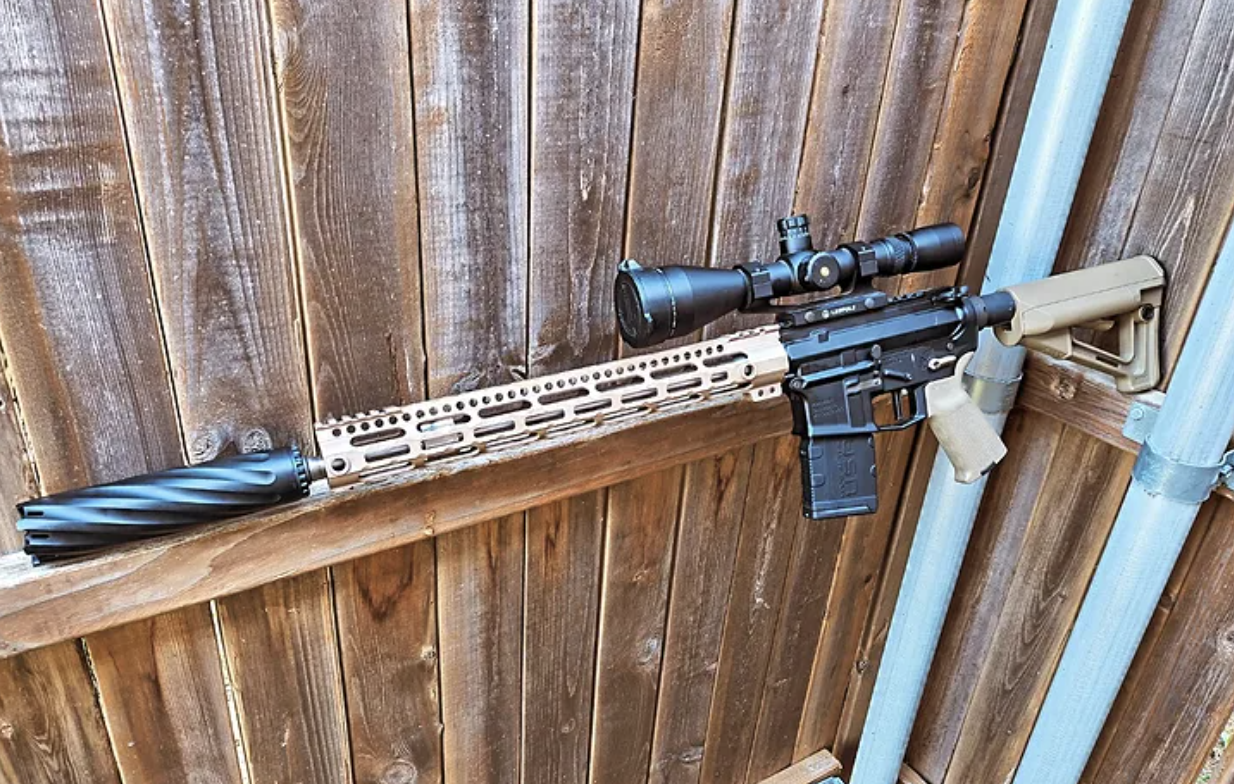
Many shooters immediately reach for an adjustable gas block, but it's only one way to tune an AR-15.
Other common solutions include:
- Heavier buffers
- Stronger buffer springs
- Adjustable bolt carrier groups
- Low-back-pressure suppressors
Often, combining these components produces the best overall performance.
The ideal setup balances reliability with reduced recoil and minimal gas blowback.
Potential Drawbacks
While adjustable gas blocks offer clear advantages, they also introduce additional complexity.
Potential disadvantages include:
More Moving Parts
Adjustment screws can seize over time if not maintained.
Requires Tuning
Finding the optimal gas setting requires testing with your preferred ammunition and suppressor.
Maintenance
Carbon buildup can make adjustments more difficult after extended use.
Not Always Needed
Many shooters install adjustable gas blocks expecting dramatic improvements when their rifles were already functioning well.
Low-Back-Pressure Suppressors Change the Equation
Modern suppressor technology has reduced the need for aggressive gas tuning.
Many newer suppressor designs focus on controlling gas flow more efficiently, helping reduce blowback without sacrificing sound performance.
A well-designed suppressor can significantly reduce the amount of excess gas entering the rifle, making the shooting experience smoother while maintaining reliable function.
For many shooters, this means fewer modifications are required after adding a suppressor.
Should You Install One?
An adjustable gas block is worth considering if:
- You primarily shoot suppressed.
- Your rifle feels noticeably over-gassed.
- You experience excessive gas blowback.
- You want the softest possible recoil impulse.
- You're building a dedicated suppressed rifle.
You may not need one if:
- Your rifle already runs reliably.
- You alternate frequently between suppressed and unsuppressed shooting.
- Your suppressor is designed to minimize back pressure.
- You're satisfied with your rifle's current performance.
The best solution depends on your complete rifle setup rather than any single component.
Pair Your Rifle With a Suppressor Designed for Performance
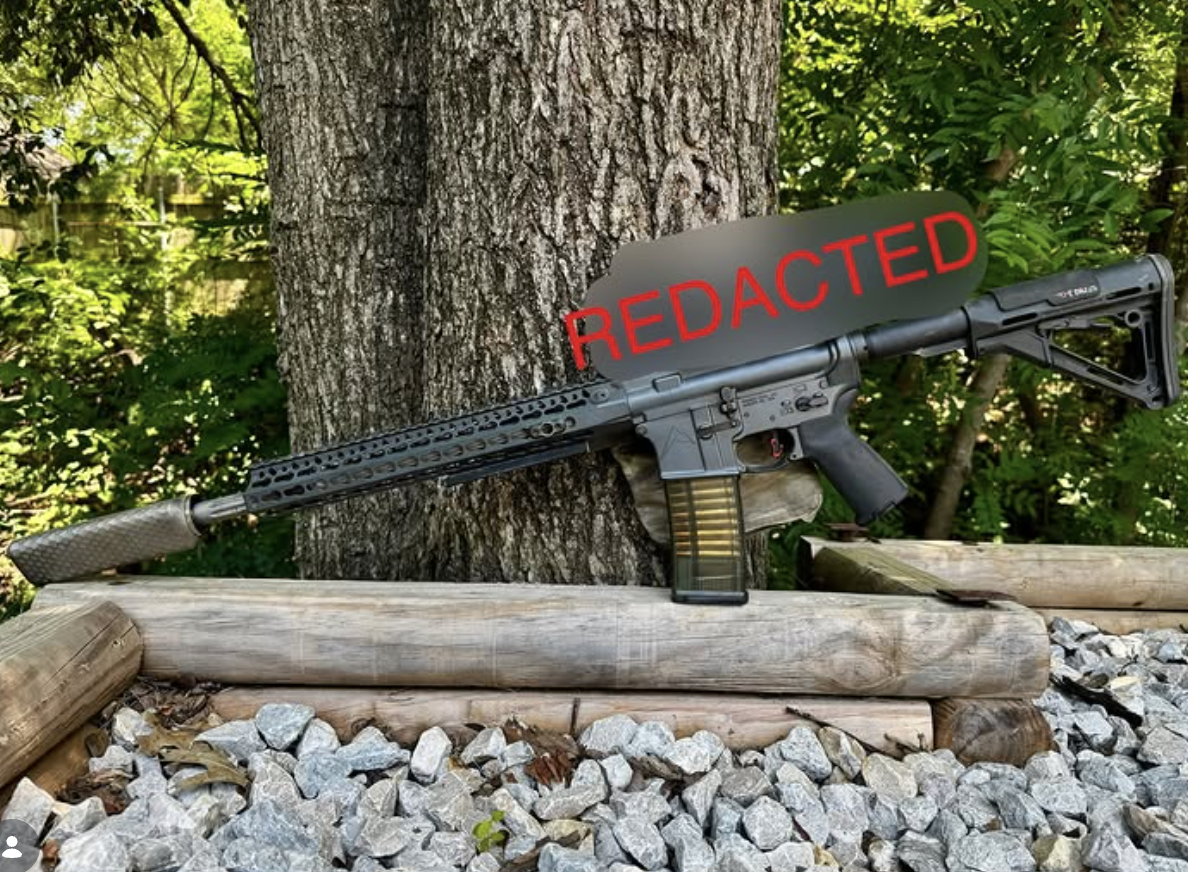
One of the most effective ways to improve a suppressed AR-15 isn't just adjusting the gas system—it's starting with a suppressor engineered to manage gas efficiently. A suppressor that minimizes unnecessary back pressure can reduce recoil, decrease gas blowback, and improve overall reliability before you ever make changes to your rifle.
At Silent Armament Forge, our suppressors are designed with durability, sound suppression, and shooter comfort in mind. By focusing on efficient gas management alongside premium materials and precision manufacturing, we build suppressors that perform exceptionally well on modern sporting rifles without requiring extensive modifications.
Final Thoughts
Understanding adjustable gas blocks helps you make informed decisions about optimizing your AR-15, especially when shooting suppressed. While they're an excellent tool for tuning an over-gassed rifle, they aren't a universal requirement.
Before replacing components, evaluate how your rifle performs with your chosen ammunition, barrel length, and suppressor. In many cases, pairing a quality suppressor with a well-balanced rifle delivers excellent results right out of the box. And if your setup does benefit from additional tuning, an adjustable gas block can provide the fine control needed to create a smoother, more enjoyable shooting experience.
Be sure to follow SilentAF on Instagram!