
Suppressors in Close Quarters Battle (CQB)
Jul 30th 2026
Why Shooters Rely on Suppressors
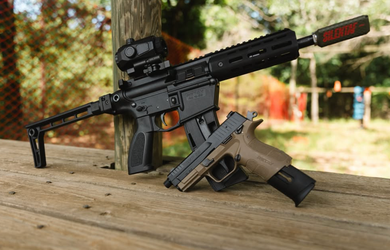
Ask most people why suppressors matter in close quarters battle, and you'll usually get one answer: stealth. It's not wrong, but it's incomplete. In tight hallways, small rooms, and rapid entries, the value of a suppressor has less to do with hiding a shot and everything to do with protecting the operator's senses, communication, and control in an environment where every one of those things is under extreme strain.
CQB is one of the most demanding environments a suppressor will ever operate in — high round counts, enclosed spaces, and split-second decisions. Understanding why professionals reach for suppressed weapons in this context tells you a lot about what a suppressor actually does, beyond the noise-reduction headline.
Our team at Silent Armament Forge is going to break it down.
The Physics Problem: Enclosed Spaces Amplify Everything
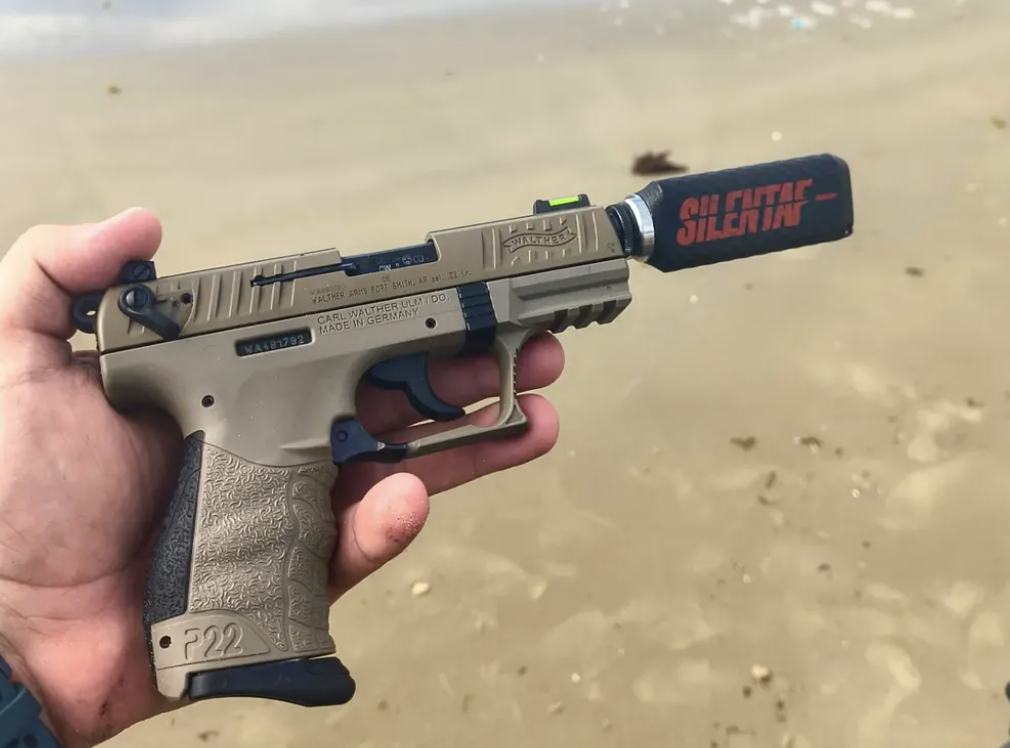
Unsuppressed gunfire is loud anywhere (even with subsonic ammo), but indoors it's a different category of loud. Sound waves that would normally disperse in open air instead reflect off walls, ceilings, and hard surfaces, compounding the concussion of each shot. In a small room or hallway, a single unsuppressed rifle shot can exceed 160-170 decibels — well past the threshold for instant, permanent hearing damage.
In CQB, operators are firing multiple rounds, often in tight sequences, in exactly these conditions. A suppressor doesn't eliminate that problem, but it meaningfully reduces it — typically cutting 20-35 decibels off the muzzle report, which can be the difference between a survivable acoustic environment and one that damages hearing and disrupts function within seconds.
Why Hearing Protection Isn't Optional in CQB — It's Tactical
In training, operators wear hearing protection, no matter the caliber from 9mm to 5.56. In a real dynamic entry, they often can't — situational hearing is part of the mission. Being able to hear a teammate's command, a breach point update, or a threat moving in the next room is not a convenience; it's operationally critical.
This is where suppressors earn their place in CQB doctrine. By reducing the acoustic violence of each shot, suppressors help preserve an operator's ability to hear their team, process radio traffic, and stay oriented immediately after firing — instead of being functionally deafened by their own weapon at the exact moment awareness matters most.
Reduced Flash Means Retained Vision
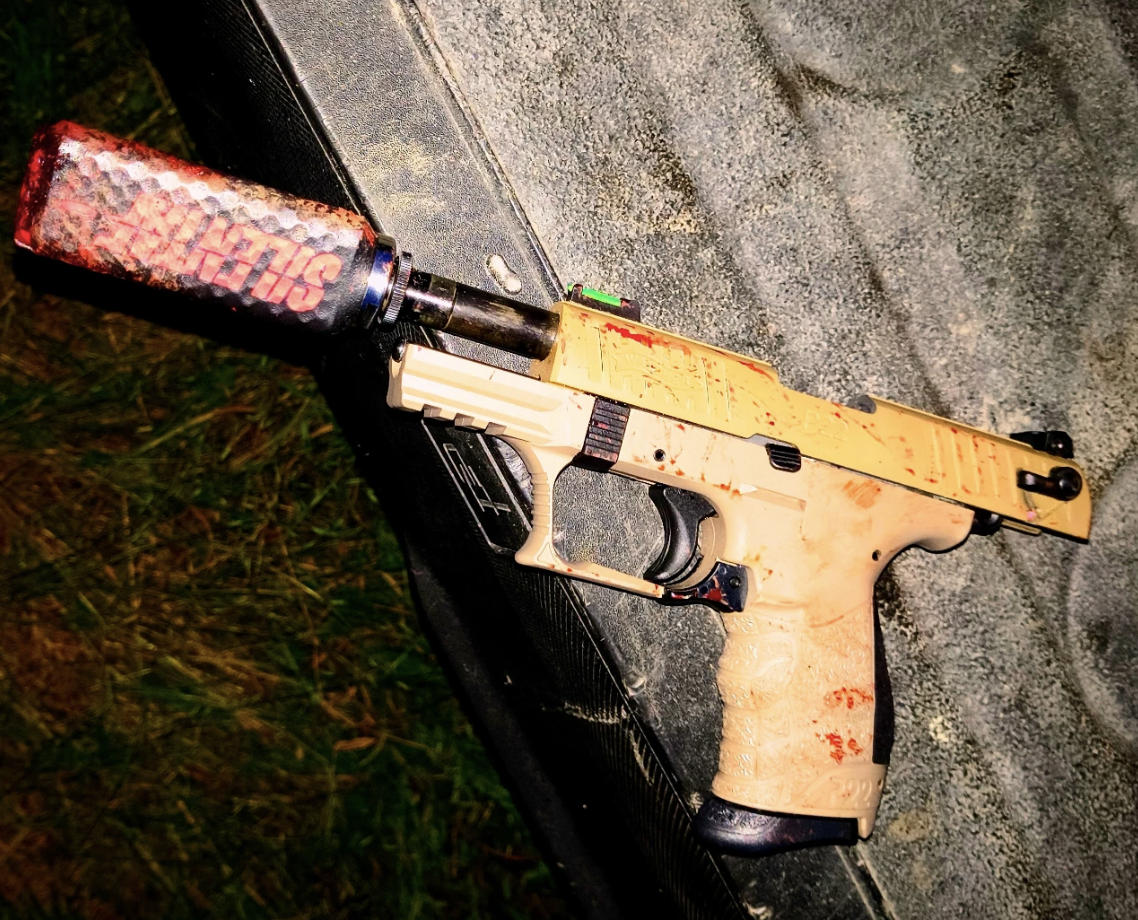
Muzzle flash is a second, often underweighted problem in CQB. Enclosed spaces are frequently dim or dark, and an unsuppressed muzzle flash can be blinding — both to the shooter and to teammates nearby. That flash doesn't just look dramatic; it temporarily wrecks night vision and disrupts the visual tracking needed to move to the next threat or the next room.
Quality suppressors significantly reduce visible muzzle flash. In a CQB context, that translates directly to faster target reacquisition and less disruption to an operator's vision during a stack-and-clear sequence.
Team Communication Under Fire
CQB is a team sport. Verbal commands, room callouts, and coordination between operators happen in real time, often while contact is ongoing. Every unsuppressed shot creates a period of temporary auditory overload for everyone nearby — not just the shooter. Multiply that across a team clearing multiple rooms, and communication starts to break down exactly when it needs to be sharpest.
Suppressed weapons reduce that cumulative acoustic toll, helping teams stay coordinated through an engagement rather than fighting through disorientation between each exchange of fire.
Recoil Management and Follow-Up Shots
CQB distances are short, and speed matters, but so does control. Suppressors add mass to the muzzle end of a weapon and help manage propellant gas, which typically reduces both recoil and muzzle rise. In practice, that means faster, more controlled follow-up shots and a weapon that's easier to keep on target through rapid engagements — a meaningful advantage when threats can appear and disappear behind cover in a fraction of a second.
It's Not About "Silent" — It's About Control
A common misconception, often reinforced by film and games, is that suppressors make CQB "silent" or "stealthy" in some cinematic sense. In reality, suppressed gunfire indoors is still loud — often as loud as an unsuppressed handgun shot outdoors. The value isn't invisibility. It's reduced physiological disruption: less hearing damage, less flash-induced vision loss, better recoil control, and a work environment where operators can function at a higher level, shot after shot, room after room.
That distinction matters, because it reframes the suppressor from a "stealth gadget" into what it actually is in professional use: a piece of life-safety and performance equipment, integrated into the weapon system itself.
Built for the Environment That Demands the Most
CQB is an unforgiving test for any piece of gear — high round counts, heat buildup, close-range concussion, and zero margin for a malfunction. A suppressor built for the range is not automatically a suppressor built for this environment. Durability, consistent point of impact, and reliable performance under sustained fire are non-negotiable when the stakes are this high.
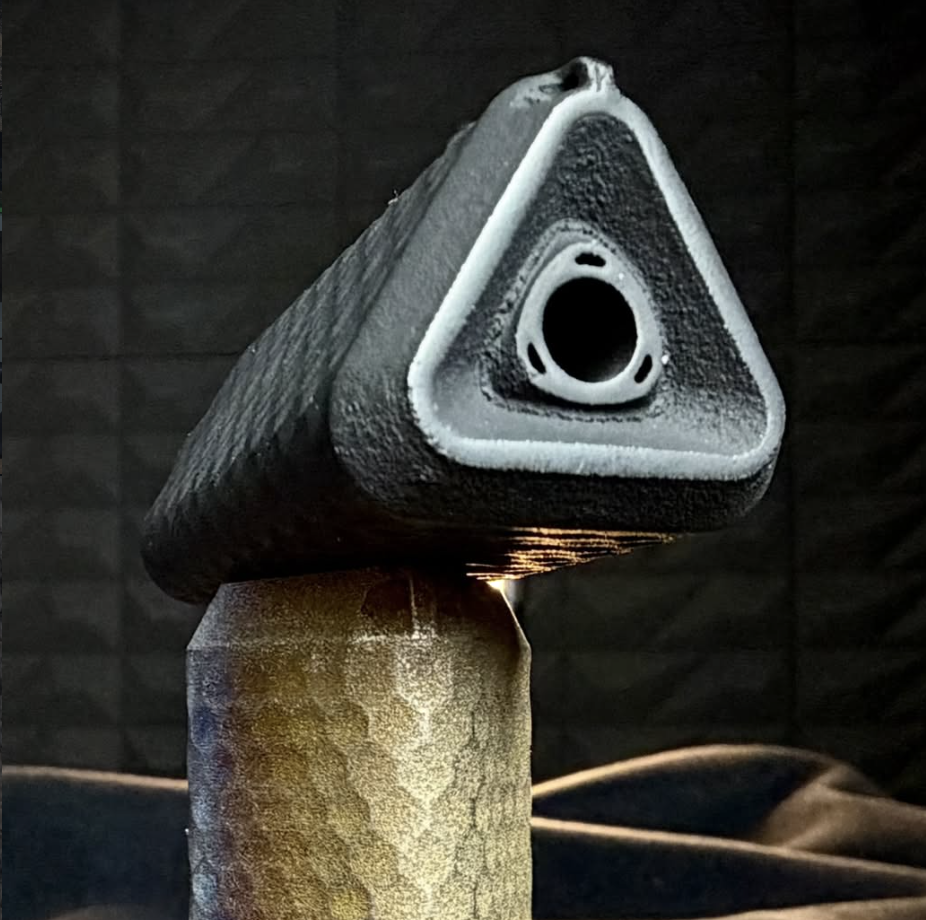
That's the standard behind every suppressor Silent Armament Forge builds. Our suppressors are engineered from premium materials like titanium and heat-treated stainless steel, our suppressors are designed to perform under the exact conditions CQB creates: heat, speed, and zero room for failure.
Explore the Vigilantis and the rest of the SilentAF lineup and equip your platform with a suppressor built for the environments that matter most.
Final Thoughts
Suppressors have earned their place in CQB doctrine for reasons that go well beyond noise. They protect hearing in an environment that offers no time to put in ear protection, preserve vision by cutting muzzle flash, support team communication under fire, and improve control through reduced recoil. In close quarters, where every advantage is measured in fractions of a second, that combination is exactly why professionals don't leave home without one.
Be sure to follow SilentAF on Instagram!