
Suppressors in 2026: What Every Gun Owner Needs to Know
Aug 26th 2026
The NFA Rules, Usage, and More!
2026 has been a landmark year for suppressors and other NFA items. For decades, suppressor ownership in the United States was defined by the National Firearms Act (NFA), a $200 federal tax, ATF registration, Form 4 applications, fingerprints, photographs, and potentially lengthy approval times.
That landscape changed dramatically this year.
Beginning January 1, 2026, the federal transfer and making tax for suppressors was reduced from $200 to $0. Then, on August 13, 2026, a federal court injunction took effect that blocked enforcement of certain NFA registration requirements for covered suppressor transactions.
For gun owners, that means the process of buying a suppressor can be dramatically different from what it was just a year ago.
However, the details matter. The August ruling does not mean every suppressor transaction in every state is automatically exempt from federal or state requirements.
Our team at Silent Armament Forge is breaking down what gun owners need to know about suppressors in 2026.
What Is a Suppressor?
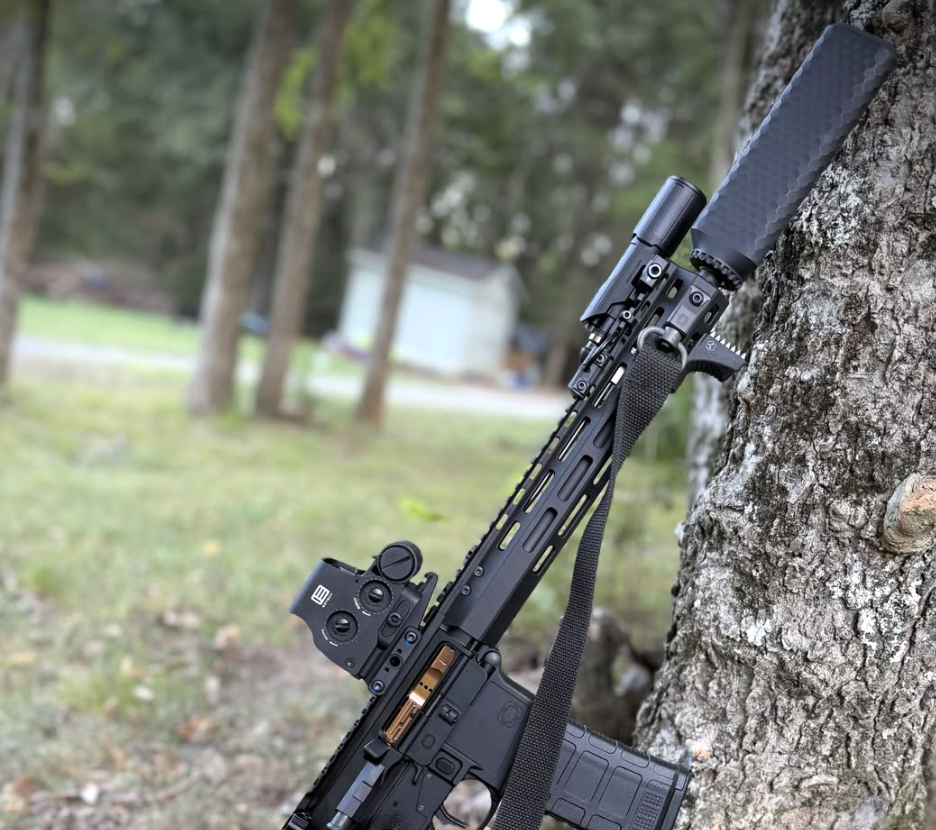
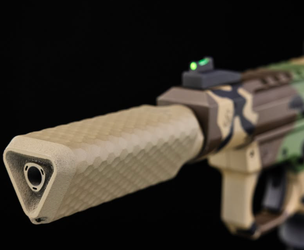
A suppressor, sometimes commonly called a "silencer," is a firearm accessory designed to reduce the sound and muzzle blast produced when a firearm is fired.
A suppressor works by providing additional volume for expanding propellant gases. Internal components, such as baffles, help slow, redirect, and cool those gases before they exit the suppressor.
A suppressor does not make a firearm completely silent. The resulting sound depends on numerous factors, including the firearm, caliber, barrel length, ammunition, suppressor design, and environment. Supersonic ammunition also produces a ballistic crack as the projectile travels faster than the speed of sound.
Even when shooting suppressed, whether that be in close quarters indoors, or long distances outside, appropriate hearing protection remains an important part of responsible shooting.
The Biggest Suppressor Change: The $200 Tax Became $0
The first major change to suppressor ownership happened on January 1, 2026.
Federal legislation reduced the NFA making and transfer tax for suppressors, short-barreled rifles, short-barreled shotguns, and certain other NFA firearms from $200 to $0. Machine guns and destructive devices remained subject to the $200 tax.
For suppressor buyers, this eliminated one of the most recognizable costs associated with NFA ownership.
But there is an important distinction:
The $0 tax did not initially eliminate NFA registration.
After January 1, suppressor buyers still generally had to go through the traditional NFA process. ATF continued processing Form 4 applications, and its July 2026 data shows that more than 120,000 silencer Form 4 applications were received during that month alone.
That changed in August.
The August 2026 NFA Ruling
On August 5, 2026, a federal district court issued a major ruling concerning the NFA's registration requirements for suppressors and certain other firearms.
The court's reasoning centered in part on the fact that Congress had reduced the applicable NFA tax to zero. The court ultimately blocked enforcement of specified NFA provisions against the parties and people covered by the judgment.
The government received a short period to seek further relief. That stay expired, and the injunction took effect on August 13, 2026.
The practical consequences for covered suppressor buyers are significant.
For qualifying transactions, the traditional NFA registration process can now be bypassed.
Do You Still Need a Form 4 for a Suppressor?
It depends on the transaction and the state.
For suppressor purchases covered by the August 2026 injunction in states where the federal NFA registration requirement is no longer being enforced, participating dealers can process the transaction without the traditional Form 4.
Instead, the buyer can complete the standard firearm-transfer process, including ATF Form 4473 and the applicable NICS background check.
This is a major difference from the traditional suppressor purchasing process.
Before the August ruling, a typical suppressor purchase involved:
- Selecting a suppressor through an FFL/SOT
- Completing an ATF Form 4
- Providing required identification, photographs, and fingerprints
- Paying the applicable NFA tax
- Waiting for ATF approval
- Taking possession after approval
For covered transactions under the current injunction, the NFA registration portion of that process may no longer apply.
Is There Still a Suppressor Waiting Period?
For covered suppressor transactions where the NFA registration requirement does not apply, there is no traditional ATF Form 4 approval waiting period.
That doesn't necessarily mean every suppressor purchase will be completed instantly.
A dealer still has to complete the applicable firearm-transfer requirements, and a NICS background check can affect the timing of a transaction.
Dealer inventory, shipping, state requirements, and individual circumstances can also affect when a buyer can take possession.
The important distinction is that covered buyers no longer have to wait for an NFA Form 4 to be approved before completing the transfer.
State Suppressor Laws Still Matter
This is one of the most important parts of the 2026 suppressor landscape.
Federal changes do not automatically eliminate state suppressor laws.
Some states allow suppressor ownership but maintain state-specific NFA registration requirements. Other states prohibit civilian suppressor possession altogether.
Current industry guidance identifies several states where state law continues to require the traditional Form 4 process for suppressors, while other states prohibit civilian suppressor possession entirely.
For example, suppressors remain prohibited for ordinary civilian possession in states including:
- California
- Delaware
- Hawaii
- Illinois
- Massachusetts
- New Jersey
- New York
- Rhode Island
- Washington, D.C.
Other states may permit suppressors while maintaining additional state requirements.
Always verify the law in your state before purchasing or possessing a suppressor.
The federal injunction should not be interpreted as overriding state law.
Suppressors Are Still Firearms Under Federal Law
Another important point is that removing the NFA registration requirement does not make suppressors completely unregulated.
Suppressors remain subject to applicable federal firearm laws.
For example, when a dealer conducts a qualifying suppressor transfer, the buyer may still need to complete ATF Form 4473 and pass a NICS background check.
This creates an important distinction between:
NFA registration requirements
and
ordinary federal firearm-transfer requirements.
The August ruling changes the first category for covered transactions. It does not eliminate the second.
What Does This Mean for Suppressor Buyers?
For eligible buyers in states where the current federal injunction applies, suppressor purchasing can now look much more like purchasing another firearm.
The traditional NFA process may no longer involve:
- A $200 tax
- A Form 4
- Fingerprints for the NFA application
- An NFA eForms account
- Waiting for ATF approval
- Entry into the federal NFA registry for the covered transaction
Instead, the transaction can involve the standard dealer transfer process, including Form 4473 and NICS.
However, the exact process depends on the purchaser, dealer, state, and suppressor transaction.
Because the legal landscape is still developing, buyers should confirm the current process with their dealer.
What Should You Look for in a Suppressor?
With suppressors becoming more accessible, choosing the right suppressor becomes even more important.
There is no single suppressor that is perfect for every firearm or application.
Caliber Compatibility
Start by determining which calibers you intend to shoot.
A suppressor designed around a specific caliber may be an excellent choice for that application, while a larger-caliber suppressor may offer additional versatility.
Always follow the manufacturer's caliber and cartridge restrictions.
Weight
Suppressor weight can have a noticeable effect on the handling characteristics of a firearm.
A lightweight suppressor can be particularly attractive for hunting rifles and firearms carried for extended periods.
Length
Longer suppressors can offer additional volume and performance characteristics, but they also add length to the firearm.
Shorter suppressors can provide a more compact package.
Choosing between the two requires balancing performance, weight, length, and intended use.
Construction Materials
Suppressors can be manufactured using materials such as titanium, stainless steel, and other alloys.
Titanium is particularly attractive when reducing weight is a priority while maintaining strength and durability.
Silent Armament Forge focuses on engineering quality suppressors around the combination of weight, durability, performance, and practical shooting applications.
Mounting System
The mounting system is another important consideration.
Depending on the firearm and intended use, shooters may choose a direct-thread mount or another compatible mounting system.
The best option depends on how the suppressor will be used and whether it will be moved between firearms.
Suppressors and Hearing Protection
One of the most common misconceptions about suppressors is that they make hearing protection unnecessary.
They don't.
Suppressors reduce sound and muzzle blast, but they do not eliminate every source of potentially damaging noise.
Firearm noise can come from:
- The muzzle
- The action
- The projectile's sonic crack
- Reflected sound from the surrounding environment
For that reason, shooters should continue to use appropriate hearing protection when shooting suppressed.
A suppressor should be viewed as one component of a broader approach to responsible shooting and hearing conservation.
Why 2026 Could Be a Turning Point for Suppressors
The suppressor market looks very different today than it did at the beginning of the year.
The January tax change removed the $200 federal NFA tax.
The August injunction then changed the federal registration landscape for covered suppressor transactions.
Together, these developments could make suppressors significantly more accessible to law-abiding gun owners in states where they are legal. That could also mean more consumers are beginning to compare suppressor designs, materials, mounting systems, caliber ratings, weight, and intended applications.
For manufacturers, that creates an opportunity to educate consumers about what actually matters when selecting a suppressor.
Silent Armament Forge: Suppressors Built for Today's Shooters
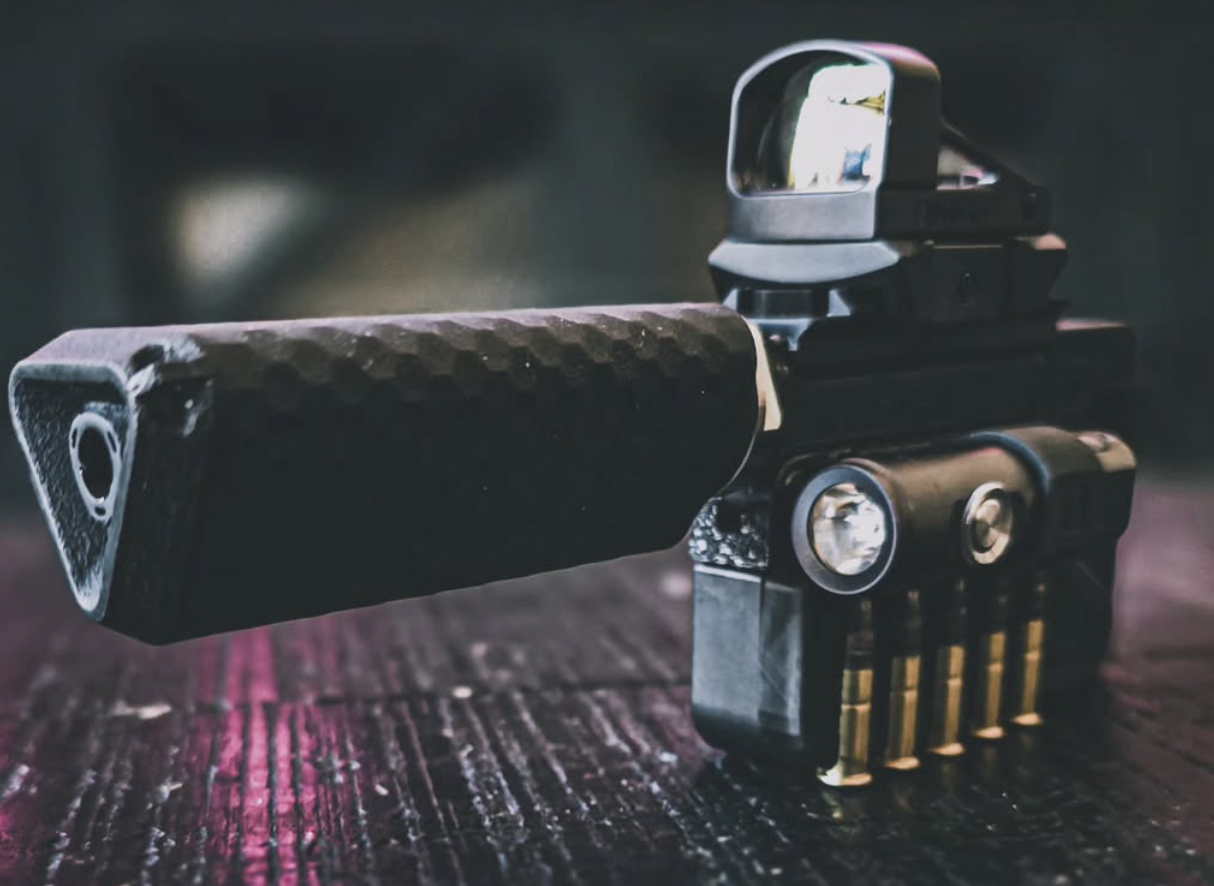
At Silent Armament Forge, we believe suppressors should be engineered around the needs of real shooters.
Whether you're building a lightweight hunting rifle, setting up a range firearm to train with, or looking for a suppressor for another lawful shooting application, the right suppressor should complement the firearm rather than simply add weight and length.
Materials, construction, caliber compatibility, mounting system, durability, and intended use all matter. As suppressor regulations continue to evolve, the technology continues to evolve with them.
The result is an increasingly competitive suppressor market with more choices for responsible firearm owners.
What Every Gun Owner Should Know About Suppressors in 2026
The most important takeaways are simple:
The $200 suppressor tax is gone. The federal NFA tax for suppressors was reduced to $0 beginning January 1, 2026.
The August 2026 ruling changed the registration landscape. The injunction that took effect August 13 blocks enforcement of specified NFA provisions against covered parties and individuals.
Form 4 requirements can depend on where you live and how the transaction is conducted. Some states continue to require the Form 4 process, while covered transactions in other states can proceed without NFA registration.
A background check can still be required. Suppressors remain subject to applicable federal firearm-transfer laws.
State laws still matter. Federal court decisions do not automatically override state suppressor prohibitions or registration requirements.
The legal landscape is still developing. Additional litigation, government action, or regulatory guidance could change how suppressor transfers are handled.
The Future of Suppressors
For more than 90 years, suppressors were closely associated with federal NFA registration and the $200 tax.
2026 changed that equation. The tax is now $0, and the August federal court injunction has removed federal NFA registration requirements for covered suppressor transactions in jurisdictions where the injunction's federal protections apply.
That doesn't mean every suppressor purchase is identical or that state laws no longer matter. It does mean that the traditional suppressor purchasing model has fundamentally changed for many gun owners.
As the industry moves into this new era, choosing the right suppressor will become less about navigating a decades-old purchasing process and more about finding the right combination of performance, materials, weight, durability, and compatibility for your firearm.
Silent Armament Forge is building suppressors for that future.
Disclaimer: This article is for informational purposes only and does not constitute legal advice. Federal and state firearm laws can change, and the August 2026 injunction has specific legal coverage and state-law limitations. Always verify current federal and state requirements with a qualified firearms attorney and/or properly licensed firearms dealer before purchasing, transferring, manufacturing, or possessing a suppressor.
Frequently Asked Questions
Are suppressors legal in 2026?
Suppressors are legal for civilian ownership in many states, but some states prohibit them and others impose additional requirements. The August 2026 federal ruling does not override state law.
Is the $200 suppressor tax still required?
No. The federal NFA tax for suppressors was reduced to $0 beginning January 1, 2026.
Do suppressors still require a Form 4?
Not necessarily. For covered suppressor transactions in states where the federal NFA registration requirement is no longer being enforced, the traditional Form 4 may not be required. However, some states continue to require the Form 4 process.
Do you still need a background check to buy a suppressor?
Yes, applicable federal firearm-transfer requirements can still apply. A dealer transfer can require ATF Form 4473 and a NICS background check.
Does a suppressor make a gun completely silent?
No. Suppressors reduce muzzle blast and sound, but firearms still produce mechanical noise and, with supersonic ammunition, a ballistic crack.
Do you still need hearing protection with a suppressor?
Yes. Suppressed firearms can still produce potentially harmful sound levels. Appropriate hearing protection is recommended.
What is the best suppressor for a firearm?
There is no universal best suppressor. The ideal choice depends on caliber, firearm, barrel length, intended use, weight, mounting system, durability requirements, and other factors.
Are suppressors still NFA items?
The NFA remains federal law, but the August 2026 injunction blocks enforcement of specified NFA provisions against covered parties and individuals. The practical requirements for suppressor purchases therefore depend on the transaction and applicable state law.
Be sure to follow SilentAF on Instagram and check out our suppressors!