
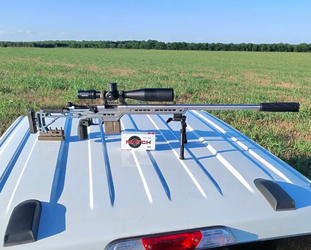
How a Suppressor Affects a Firearm's Cycling
Jun 18th 2026
Understanding How Suppressors Change Firearm Performance
Suppressors are becoming more and more popular amongst all shooters from tactical professionals to civlian shooters and hunters. The uptick in suppressor ownership stems from the Big Beautiful Bill being passed, and the $200 fee for the NFA tax stamp being removed. One of the most common questions new suppressor owners ask is: Do suppressors affect cycling?
The simple answer is yes. A suppressor changes how gases move through a firearm, which can impact everything from bolt speed and recoil to reliability and overall shooting performance. Whether you're running an AR-15, AR-10, or another semi-automatic platform, understanding how suppressors affect cycling can help you get the most from your setup.
The good news is that modern suppressor designs have come a long way, and many of the cycling issues that shooters worried about in the past can now be minimized through advanced engineering and proper firearm setup.
Our team at Silent Armament Forge is going to break it down.
What Does Cycling Mean?
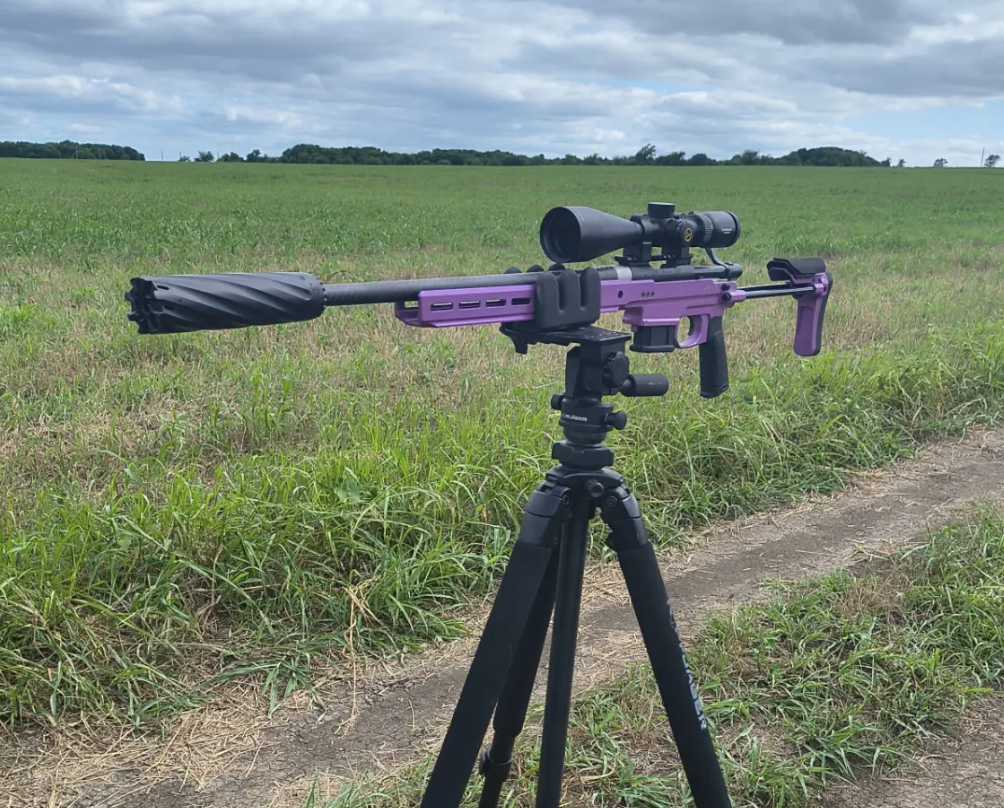
Cycling refers to the process a firearm goes through after a shot is fired.
In a semi-automatic firearm, cycling includes:
- Extracting the spent casing
- Ejecting the casing
- Moving the bolt rearward
- Feeding a new cartridge
- Chambering the next round
- Returning the bolt to battery
For this process to occur reliably, the firearm must receive the correct amount of energy from expanding gases produced during firing.
When a suppressor is added, the gas dynamics change.
How a Suppressor Affects Cycling
Suppressors work by capturing and slowing expanding gases before they exit the muzzle. This reduces noise and flash, but it also increases heat and pressure within the firearm's operating system.
As a result, many semi-automatic firearms receive more gas than they would when fired unsuppressed. This additional pressure often causes the action to cycle faster.
On rifles such as the AR-15, this can lead to:
- Increased bolt carrier speed
- More forceful extraction
- Faster cyclic rates
- Increased wear on moving components
While these effects are normal, they vary depending on the suppressor design and the firearm being used.
Can a Suppressor Improve Cycling?
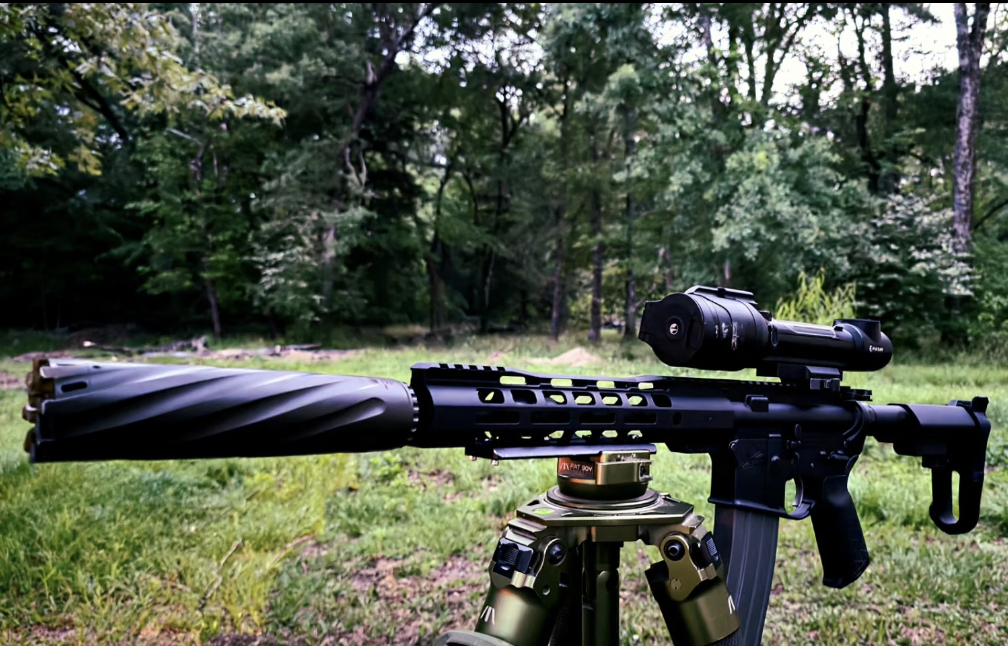
In some cases, yes. Certain firearms may be slightly under-gassed from the factory or may struggle with specific ammunition types. The added pressure generated by a suppressor can provide the extra energy needed for reliable cycling.
This is especially common with:
- Short-barreled rifles
- AR pistols
- Rifles firing lower-powered ammunition
- Certain .300 Blackout setups
- Firearms operating in extremely cold conditions
In these situations, adding a suppressor can actually improve reliability and consistency.
When Cycling Becomes Excessive
Although additional gas can help some firearms run better, too much gas can create new challenges.
An over-gassed firearm may experience:
Increased Component Wear
Higher bolt speeds place additional stress on parts such as:
- Bolt carrier groups
- Extractors
- Springs
- Buffers
Over time, this can accelerate wear if the firearm is not properly tuned.
More Felt Recoil
Many shooters assume suppressors automatically reduce recoil, which comes from the statistics in video games and such. While suppressors can help mitigate muzzle rise, increased bolt velocity may create a sharper recoil impulse if excessive gas pressure is present.
Increased Fouling
Suppressors keep gases inside the system longer. As a result, carbon, dust, and debris are pushed back into the action.
This often means:
- Dirtier bolt carrier groups
- More frequent cleaning
- Increased carbon buildup
Gas Blowback
One of the most noticeable side effects of increased cycling pressure is gas blowback.
Excess gas can escape through the charging handle area, causing irritation and reducing overall shooting comfort.
Why Suppressor Design Matters
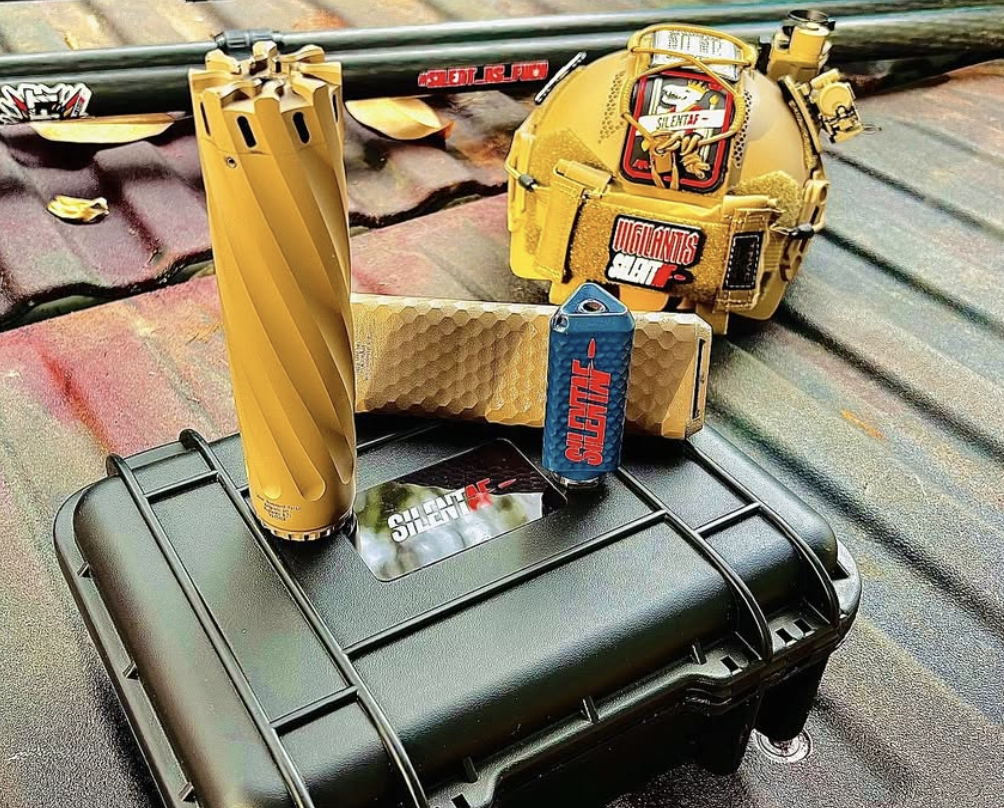
Not all suppressors affect cycling equally. Traditional suppressor designs often maximize sound suppression but may generate significant back pressure. Modern suppressor designs, such as Silent Armament Forge, have increasingly focused on balancing sound reduction with gas management.
Advanced internal geometries and innovative manufacturing techniques can help control gas flow, reducing many of the negative side effects associated with suppressed shooting.
At Silent Armament Forge, suppressor development focuses on optimizing both suppression performance and firearm function. By carefully engineering how gases move through the suppressor, modern designs can help reduce excessive pressure while maintaining outstanding sound reduction.
The result is a smoother shooting experience with less disruption to the firearm's natural cycling characteristics.
How to Optimize a Suppressed Firearm
If you plan to shoot suppressed regularly, a few upgrades can help maintain optimal cycling.
Adjustable Gas Blocks
An adjustable gas block allows shooters to fine-tune the amount of gas entering the system.
This is one of the most effective ways to reduce excessive bolt speed and improve overall performance.
Heavier Buffers
Increasing buffer weight can slow the cycling process and help manage additional gas pressure.
Many AR-15 owners find excellent results with upgraded buffer systems when running suppressed.
Quality Suppressor Selection
Choosing a suppressor designed with modern gas management principles can significantly improve cycling characteristics compared to older suppressor designs.
Regular Maintenance
Because suppressors increase carbon buildup, routine cleaning is essential for long-term reliability and consistent operation.
Do Suppressors Affect Cycling? Absolutely.
Suppressors change the way firearms handle expanding gases, which directly affects cycling. In many cases, they increase bolt speed and operating pressure. Sometimes this improves reliability, while other times it requires tuning to achieve optimal performance.
The key takeaway is that suppressors do not simply make firearms quieter—they become part of the operating system itself.
With a quality suppressor and a properly configured firearm, shooters can enjoy improved sound suppression, reduced muzzle flash, and reliable cycling without sacrificing performance.
Final Thoughts
Yes, suppressors affect cycling. They alter gas flow, change operating pressures, and influence how a firearm functions after every shot.
Fortunately, modern suppressor technology has made it easier than ever to manage these changes. By pairing a well-designed suppressor with the right firearm setup, shooters can achieve a balance of reliability, comfort, and exceptional suppression performance.
For those seeking advanced suppressor solutions, Silent Armament Forge continues to develop innovative suppressor designs that deliver impressive sound reduction while supporting smooth and reliable firearm operation.
Be sure to follow SilentAF on Instagram!