
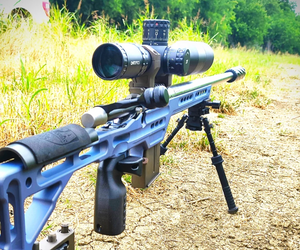
What Causes Suppressor Back Pressure?
May 27th 2026
How Suppressor Design Affects Back Pressure
Suppressors have become one of the most popular upgrades for modern rifles, carbines, and even pistols, especially with the removal of the $200 fee for the NFA tax stamp, thanks to the Big Beautiful Bill. Shooters love them for reducing noise, minimizing muzzle flash, and improving the overall shooting experience. But one issue continues to come up in discussions about suppressed firearms: back pressure.
If you’ve ever noticed extra gas in your face, a dirtier rifle, increased recoil impulse, or cycling issues after attaching a suppressor, you’ve experienced the effects of suppressor back pressure firsthand.
Understanding what causes suppressor back pressure is important for choosing the right suppressor setup and improving firearm reliability. Our team at SilentAF is going to break it down.
What Is Suppressor Back Pressure?
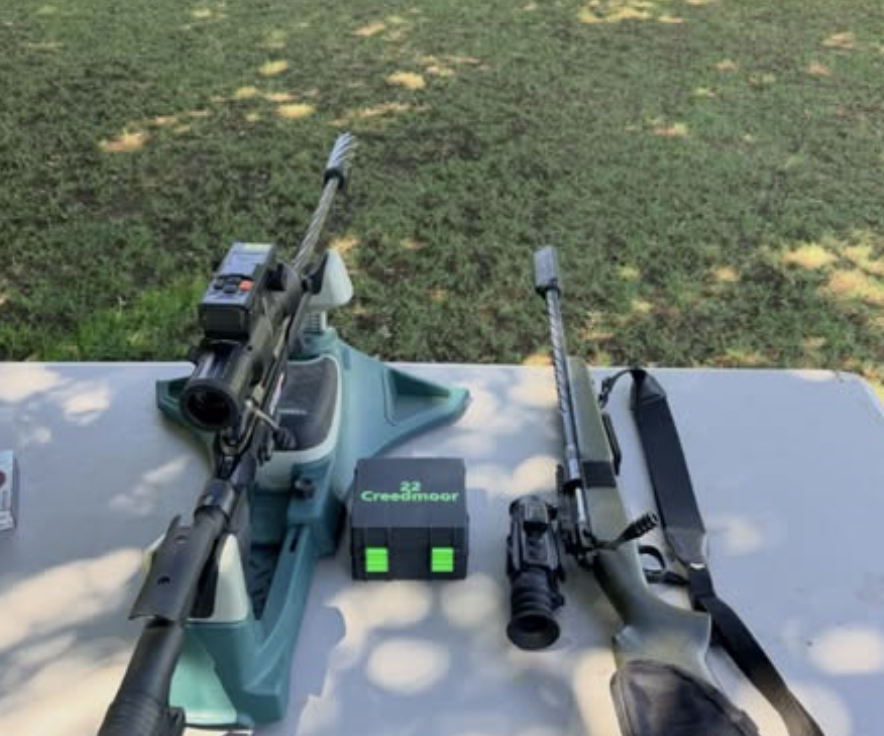
Suppressor back pressure refers to the buildup of gas that gets redirected back into the firearm after a shot is fired. Normally, when a round is fired, expanding gases travel down the barrel and exit the muzzle rapidly. Adding a suppressor changes how those gases escape.
Instead of instantly venting into open air, the suppressor traps and slows the gases through a series of chambers and baffles. While this process reduces sound, it also increases pressure inside the barrel and gas system for a brief period of time.
That trapped gas has to go somewhere. In many firearms—especially semi-automatic rifles—it often flows backward through the gas system and into the action of the gun.
This is what shooters refer to as back pressure.
How Suppressors Create Back Pressure
The primary job of a suppressor is to slow and cool expanding gases before they leave the muzzle. To do this, suppressors use internal structures such as:
- Baffles
- Expansion chambers
- Flow pathways
- Venting systems
Traditional suppressors force gases through tight chambers, which creates resistance. That resistance increases dwell time, meaning gas remains inside the barrel and suppressor longer than it would without a suppressor attached.
The longer gases stay contained, the more pressure builds behind the bullet and inside the firearm’s operating system. In gas-operated rifles like the AR-15 platform that is chambered in 5.56, this extra pressure travels back through the gas tube and into the bolt carrier group.
The result can include:
- Increased gas blowback
- Faster bolt speed
- Excessive carbon buildup
- More felt recoil
- Higher operating temperatures
- Accelerated wear on components
Why Back Pressure Is More Noticeable on AR-15s
The AR-15 platform is particularly sensitive to suppressor back pressure because of its direct impingement gas system. In a direct impingement rifle, hot gas is intentionally redirected from the barrel into the bolt carrier group to cycle the action. When a suppressor increases gas pressure, even more gas gets pushed back into the system.
Shooters often notice:
- Gas blowing into the face
- Burning eyes during rapid fire
- Excessive fouling
- Harsh recoil impulse
- Overgassing symptoms
- Ejection pattern changes
Short-barreled rifles (SBRs) tend to experience even more severe back pressure because they already operate with higher gas pressures and shorter dwell times.
When a suppressor is added to an SBR, the system can become heavily overgassed without proper tuning.
The Role of Suppressor Design
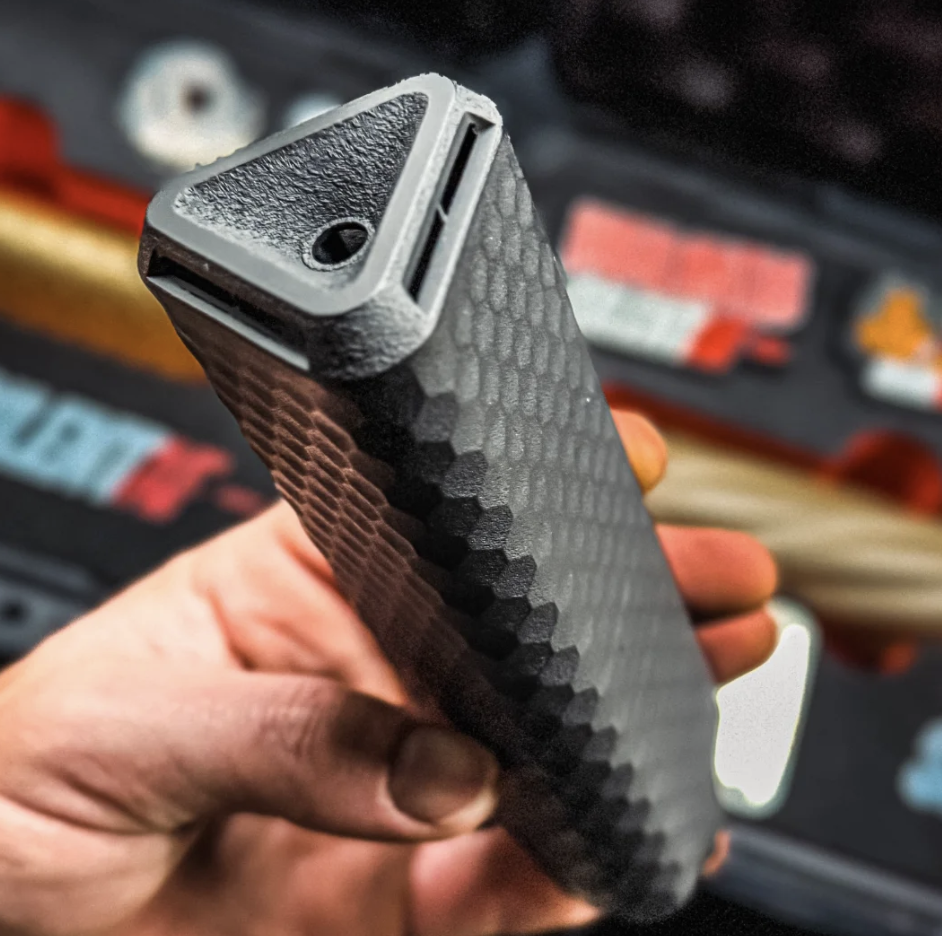
Not all suppressors create the same amount of back pressure. Internal design plays a massive role in how gases move through the suppressor.
Traditional Baffle Suppressors
Conventional suppressors often prioritize maximum sound reduction by trapping as much gas as possible. While effective for sound suppression, this design can create significant back pressure.
These suppressors tend to:
- Increase cyclic rate
- Produce more gas blowback
- Run dirtier
- Create harsher recoil characteristics
Low Back Pressure Suppressors
Modern suppressor technology has shifted toward flow-through and reduced-back-pressure designs.
These suppressors intentionally redirect gases forward and outward rather than trapping everything inside the can. By improving gas flow, they reduce the amount of pressure pushed back into the firearm.
Benefits of low back pressure suppressors include:
- Reduced gas to the face
- Cleaner operation
- Smoother recoil impulse
- Better reliability
- Less wear on internal parts
Many shooters today specifically seek low-back-pressure suppressors for hard-use rifles, defensive carbines, and high-round-count training setups.
Barrel Length and Back Pressure
Barrel length has a major impact on suppressor performance and gas behavior.
Shorter barrels generally produce:
- Higher pressure at the muzzle
- More unburnt powder
- Faster gas expansion
- Increased suppressor stress
This is why a suppressed 10.3-inch AR often feels much gassier than a suppressed 16-inch rifle.
Longer barrels allow more pressure to dissipate before the bullet exits the muzzle, reducing the overall amount of gas entering the suppressor system.
Ammunition Also Affects Back Pressure
Different ammunition types create different pressure curves.
Factors that influence suppressor back pressure include:
- Powder burn rate
- Bullet weight
- Velocity
- Gas volume
- Cartridge design
For example, heavier subsonic ammunition often behaves differently than lightweight high-velocity loads.
Some ammunition may feel significantly smoother when suppressed, while hotter loads can dramatically increase gas blowback and cycling speed.
Signs Your Rifle Has Too Much Back Pressure
If your firearm is overgassed from suppressor use, you may notice several symptoms.
Common signs include:
Excessive Gas Blowback
Gas escaping near the charging handle and into the shooter’s face is one of the clearest indicators.
Aggressive Ejection Pattern
Brass ejecting forward at the 1 o’clock or 2 o’clock position can signal excessive bolt speed.
Increased Recoil Impulse
A suppressor should often make a rifle feel smoother. If recoil feels sharp or violent, back pressure may be contributing.
Dirty Bolt Carrier Group
Suppressors naturally increase fouling, but excessive carbon buildup may indicate too much gas returning to the action.
Premature Wear
Overgassed rifles can wear out extractors, springs, and bolt components faster than properly tuned systems.
How to Reduce Suppressor Back Pressure
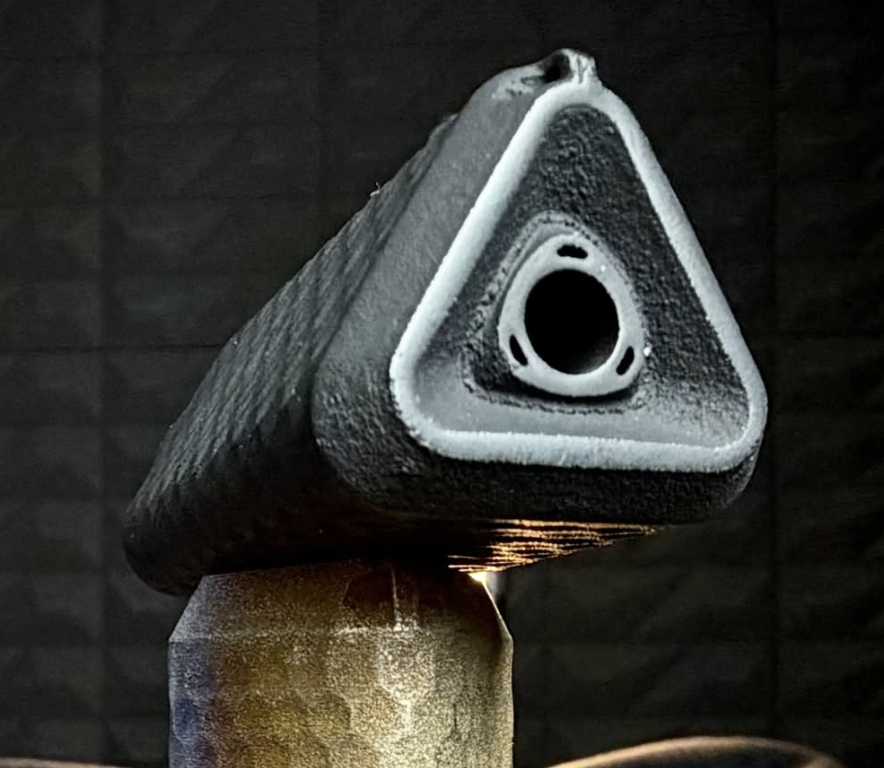
Fortunately, shooters have several ways to manage and reduce suppressor back pressure.
Choose a Low Back Pressure Suppressor
One of the best solutions is selecting a suppressor specifically engineered for reduced gas blowback and optimized flow dynamics. Modern suppressor technology focuses heavily on balancing sound suppression with firearm reliability.
Install an Adjustable Gas Block
An adjustable gas block allows shooters to regulate how much gas enters the system.
This can dramatically improve:
- Reliability
- Recoil impulse
- Gas blowback
- Overall shooting comfort
Use a Heavier Buffer System
Heavier buffers and upgraded springs can slow bolt speed and soften cycling characteristics.
This is a common upgrade for suppressed AR-15 platforms.
Tune the Rifle Properly
Suppressors change how firearms operate. A properly tuned rifle setup often includes:
- Correct gas settings
- Appropriate buffer weights
- Optimized bolt carrier groups
- Quality charging handles designed to reduce gas escape
Why Suppressor Technology Is Evolving
As suppressors become more common among recreational shooters, professionals, hunters, and defensive firearm owners, demand for reduced-back-pressure designs continues to grow.
Modern suppressor manufacturers are increasingly focused on:
- Flow-through technology
- Reduced cyclic rate
- Cleaner operation
- Better shooter comfort
- Improved durability
The goal is no longer just maximum sound reduction. Shooters want suppressors that minimize gas blowback while maintaining excellent suppression performance.
That balance is what separates advanced suppressor systems from older, traditional designs.
Final Thoughts
Suppressor back pressure is caused by trapped gases being redirected back into the firearm’s operating system instead of immediately escaping the muzzle. While suppressors dramatically improve shooting comfort and sound reduction, they also change how gas behaves inside the firearm.
Factors like suppressor design, barrel length, gas system configuration, and ammunition all influence how much back pressure a shooter experiences. Understanding these factors helps shooters build more reliable, cleaner, and smoother suppressed firearm setups.
For shooters looking for advanced suppressor solutions and modern reduced-back-pressure designs, SilentAF continues to focus on performance-driven suppressor technology built for serious use.
Be sure to follow SilentAF on Instagram!