
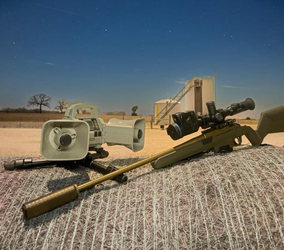
How to Maintain and Clean a Suppressor
Apr 9th 2026
Keep Your Suppressor Looking and Feeling Like New
When it comes to firearms attachments, suppressors are quickly gaining popularity, especially after the NFA did away with the $200 fee for the tax stamp, thanks to the Big Beautiful Bill. Suppressors are a serious investment, and like any precision firearm component, they require proper maintenance to perform at their best. Whether you are running a suppressor on a duty rifle, competition setup, or hunting platform, consistent cleaning ensures optimal sound reduction, reliability, and long-term durability.
This guide from our team at Silent Armament Forge covers how to properly maintain and clean a suppressor, what tools you need, and how to avoid common mistakes that can shorten its lifespan.
Why Suppressor Maintenance Matters

Suppressors operate under extreme conditions. Every shot introduces heat, carbon, and fouling into the system. Over time, this buildup can negatively impact performance.
Without proper maintenance, you may experience:
- Reduced sound suppression
- Increased back pressure
- Added internal weight from carbon buildup
- Potential corrosion or internal wear
Routine cleaning helps preserve performance and extends the life of your suppressor.
Types of Suppressors and Cleaning Differences
Before cleaning your suppressor, it is important to understand its design.
Sealed Suppressors
Sealed suppressors are common for rifle calibers such as 5.56 and 7.62. These are typically welded shut and not designed to be disassembled.
Cleaning approach:
- Focus on external cleaning
- Use solvent flushing methods for internal maintenance
User-Serviceable Suppressors
These are commonly found in rimfire and some pistol suppressors. They are designed to be taken apart for thorough cleaning.
Cleaning approach:
- Disassemble and clean individual baffles
- Remove carbon buildup from internal components
How Often Should You Clean a Suppressor?
Cleaning frequency depends on caliber and usage:
- Rimfire (.22 LR): Every 300 to 500 rounds
- Pistol calibers: Every 500 to 1,000 rounds
- Rifle calibers: Inspect every 1,000 rounds, minimal cleaning required
Rimfire suppressors require more frequent cleaning due to dirtier ammunition and heavier fouling.
Tools and Supplies You Will Need
Using the proper tools will make cleaning more effective and prevent damage:
- Nylon or brass brushes
- Carbon scraper or pick
- Cleaning solvent or carbon remover
- Ultrasonic cleaner (optional)
- Microfiber cloths
- Protective gloves
Avoid using steel tools that could scratch or damage internal surfaces.
Step-by-Step: How to Clean a Suppressor
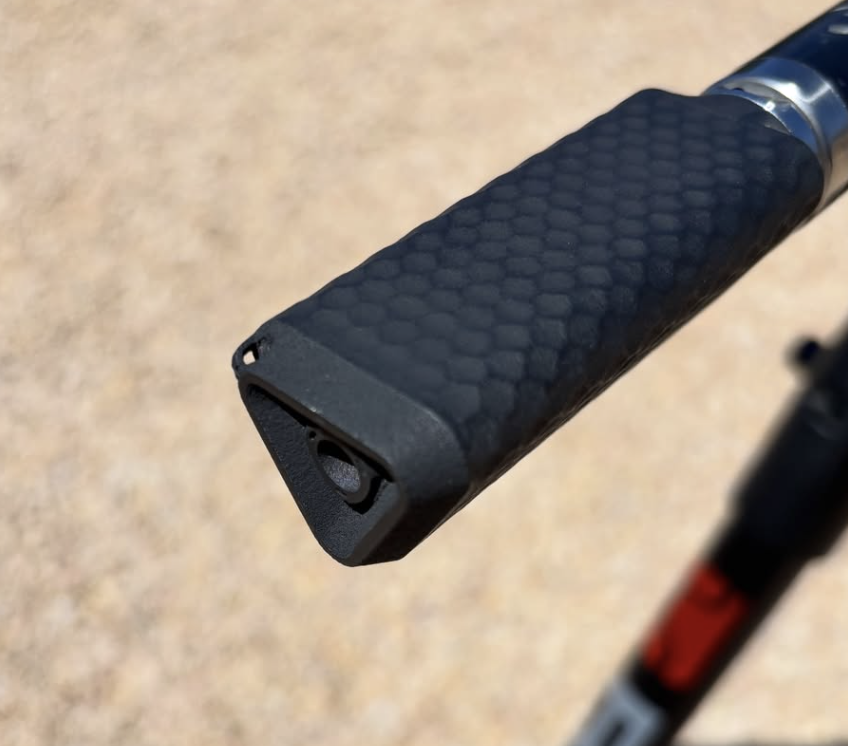
Step 1: Ensure Safety
Before cleaning:
- Remove the suppressor from the firearm
- Confirm the firearm is unloaded
- Allow the suppressor to cool completely
Suppressors retain heat for an extended period after firing, so never attempt to clean one while it is still hot.
Step 2: Disassemble if Applicable
If your suppressor is user-serviceable:
- Remove the end caps carefully
- Slide out the baffles in order
- Lay out all components in sequence
Keeping parts organized ensures proper reassembly.
Step 3: Remove Carbon Buildup
Use brushes and scrapers to remove carbon deposits:
- Focus on baffles and high-contact areas
- Gently remove hardened buildup
- Avoid excessive force to protect coatings and materials
For sealed suppressors, use a solvent flush instead of scraping internal components.
Step 4: Soak Components
Soaking helps break down stubborn carbon:
- Place parts in a cleaning solution for 15 to 30 minutes
- Use a dedicated carbon remover for heavy buildup
An ultrasonic cleaner can speed up this process and improve results.
Step 5: Rinse and Dry
- Rinse components with clean solvent or water
- Dry thoroughly using a cloth or compressed air
Any remaining moisture can lead to corrosion over time.
Step 6: Reassemble and Inspect
- Reassemble components in the correct order
- Inspect for wear, cracks, or damage
- Ensure threads and mounting surfaces are clean
A properly maintained suppressor should mount securely and feel solid during use.
Common Cleaning Mistakes to Avoid
Using Harsh Chemicals
Avoid cleaners that contain:
- Bleach
- Ammonia-heavy compounds
- Strong acids
These can damage finishes and weaken materials.
Over-Cleaning Rifle Suppressors
Most centerfire rifle suppressors are designed to handle fouling through heat and pressure. Excessive cleaning is unnecessary and can cause wear.
Improper Reassembly
Incorrect alignment of baffles or components can:
- Impact accuracy
- Increase internal pressure
- Damage the suppressor
Always follow proper reassembly procedures.
Suppressor Maintenance Tips for Longevity
- Allow the suppressor to cool before storage
- Store in a dry environment
- Lightly maintain mounting threads
- Avoid excessive rapid-fire heat cycles unless the suppressor is rated for it
Consistent care will significantly extend the lifespan of your suppressor.
Performance Benefits of Regular Cleaning
Proper maintenance provides:
- Consistent sound suppression which can improve communication while shooting
- Reduced gas blowback
- Improved accuracy
- Longer service life
Neglecting cleaning can lead to reduced efficiency and potential damage.
Why Choosing the Right Suppressor Matters
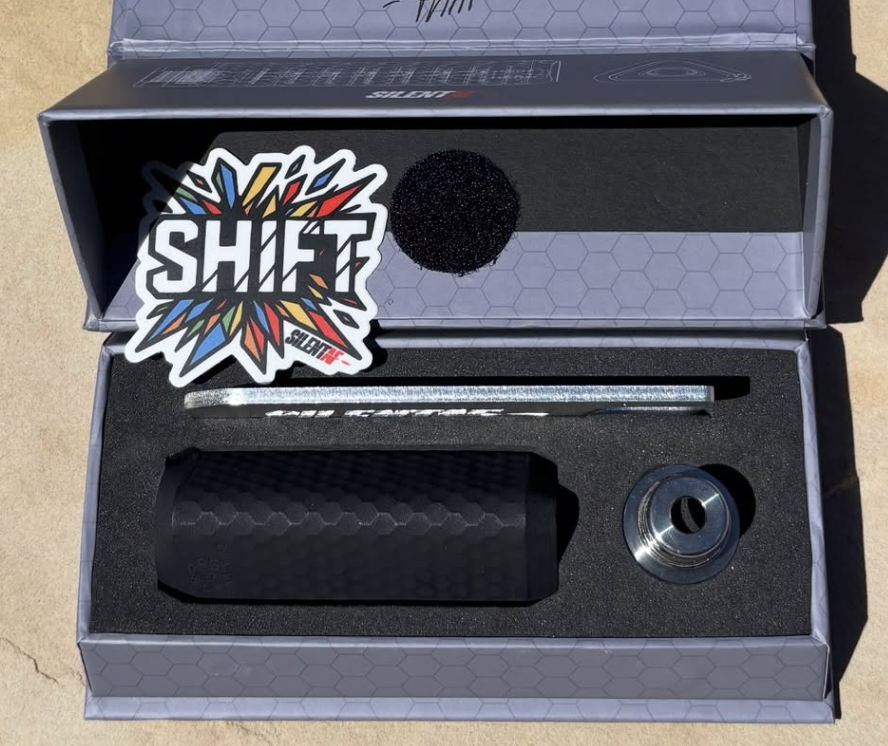
Maintenance becomes much easier when you start with a high-quality suppressor. That is where Silent Armament Forge stands out.
Suppressors from Silent Armament Forge are designed with durability and performance in mind. Our engineering focuses on reducing carbon buildup, managing back pressure, and maintaining reliability under demanding conditions. This means less time spent on maintenance and more time focused on shooting.
Final Thoughts
Maintaining and cleaning your suppressor is essential for preserving performance and extending its lifespan. By understanding your suppressor type, cleaning it at appropriate intervals, and using proper techniques, you can ensure consistent results every time you shoot.
Pairing proper maintenance with a suppressor from Silent Armament Forge is one of the best ways to maximize reliability, durability, and overall shooting performance.
Be sure to follow SilentAF on Instagram!