
Do Suppressors Wear Out Your Barrel Faster?
Apr 28th 2026
Do You Have to Worry About Wearing Down Your Barrel?
Suppressors are becoming more and more popular attachments than ever before, especially with the passing and instilling of the Big Beautiful Bill in 2026 and the removal of the $200 from the NFA tax stamp required to obtain them. The question comes up constantly among firearm owners considering their first suppressor: do suppressors wear out your barrel faster?
It’s a fair concern. Suppressors change how gas, heat, and pressure behave inside a firearm system, and anything that changes those dynamics naturally raises questions about longevity.
The reality is more nuanced than a simple yes or no. Suppressors can slightly influence barrel wear, but for most shooters, the difference is minimal and often outweighed by the performance and recoil benefits they provide.
This article from our team at SilentAF breaks down what actually happens inside your barrel when shooting suppressed, what contributes to wear, and how to minimize long-term impact—while also explaining why modern suppressor design has significantly reduced many of the concerns that used to exist.
Understanding Barrel Wear in the First Place

To understand whether suppressors accelerate wear, it helps to understand what actually wears out a barrel.
Barrel wear primarily occurs in three ways:
1. Heat erosion
Repeated heating and cooling cycles gradually degrade the steel, especially near the throat of the barrel (just ahead of the chamber).
2. Gas cutting and pressure erosion
High-pressure gas escaping behind the bullet can erode steel over time, especially in high-velocity cartridges, rapid-fire scenarios, or repeated use.
3. Fouling and chemical residue
Carbon buildup and unburnt powder can contribute to corrosion and increased friction if not maintained properly.
Among these, heat and throat erosion are the most significant contributors to barrel life reduction.
What a Suppressor Actually Does to a Firearm System
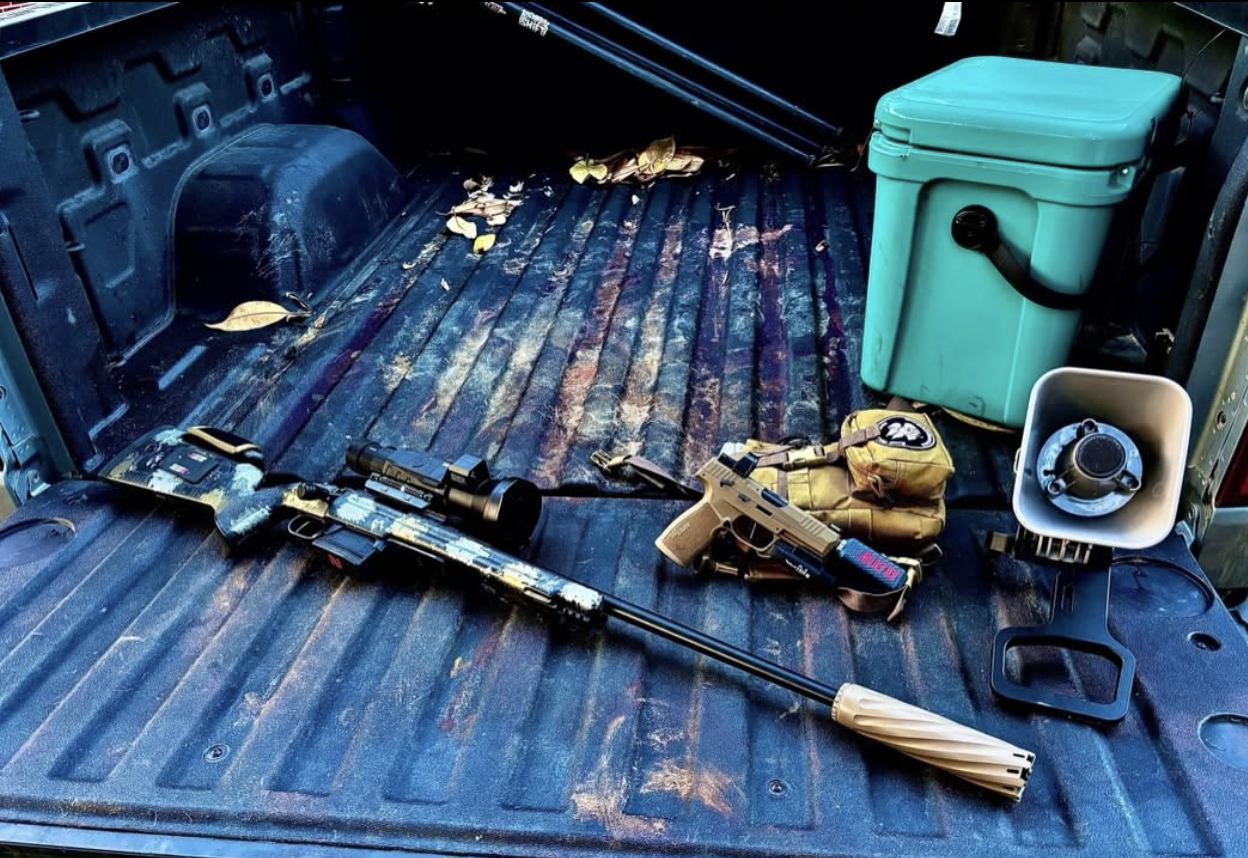
First and foremost, no, a suppressor does not make a firearm entirely silent. A suppressor works by slowing and cooling expanding gases before they exit the muzzle. Instead of a rapid pressure release, gases are temporarily contained and allowed to expand more gradually.
This changes three key aspects of firearm operation:
- Increased overall system back pressure
- Higher heat retention in the barrel and action
- Slower gas release at the muzzle
These changes are where the barrel wear discussion begins.
Do Suppressors Increase Barrel Wear?
The short answer:
It CAN happen, but only slightly—and under most real-world conditions, the difference is not significant enough to blame suppressors solely for barrel wear.
Let’s break down why.
Heat: The Primary Factor
Suppressors trap and retain heat that would normally dissipate into the atmosphere immediately after firing.
This leads to:
- Faster barrel heat saturation during extended firing
- Higher sustained temperatures in the barrel and chamber area
- Slower cooling between shots
Heat is one of the biggest contributors to throat erosion, meaning sustained suppressed fire can accelerate wear in high-volume shooting scenarios, whether that is on the range or in a training scenario.
However, for most shooters—such as the occasional range use, hunting, or defensive training—the heat difference is not enough to meaningfully shorten barrel life.
Back Pressure and Gas Dynamics
Suppressors increase back pressure, which means more gas is pushed back into the barrel and action.
This can lead to:
- Slightly increased carbon buildup in the barrel (CLEAN YOUR GUN)
- More fouling around the chamber area
- Increased exposure of the throat to hot gases for a longer duration
In theory, this could contribute to faster wear at the throat. In practice, modern suppressor designs have significantly reduced this effect compared to older models.
Flow-optimized and low back-pressure suppressors reduce the amount of gas redirected back into the barrel, which helps preserve barrel life and improves overall reliability.
Throat Erosion: Where the Real Discussion Happens
The throat of the barrel is the most vulnerable area to wear, especially in high-pressure cartridges like 5.56 NATO or .308 Winchester.
Suppressors may contribute to slightly increased throat erosion because:
- Hot gases remain in contact with the throat longer
- Pressure curves change slightly during ignition and bullet travel
- Heat accumulates faster under sustained fire
However, in most civilian use cases, this difference is small enough that barrel replacement intervals are not dramatically affected.
The biggest exceptions are:
- Full-auto or rapid-fire use
- Very short barrels (under ~10.5 inches)
- Extremely high round-count training schedules
In those cases, suppressor use may contribute to measurable wear over time—but heat and firing volume remain the dominant factors.
The Role of Modern Suppressor Design
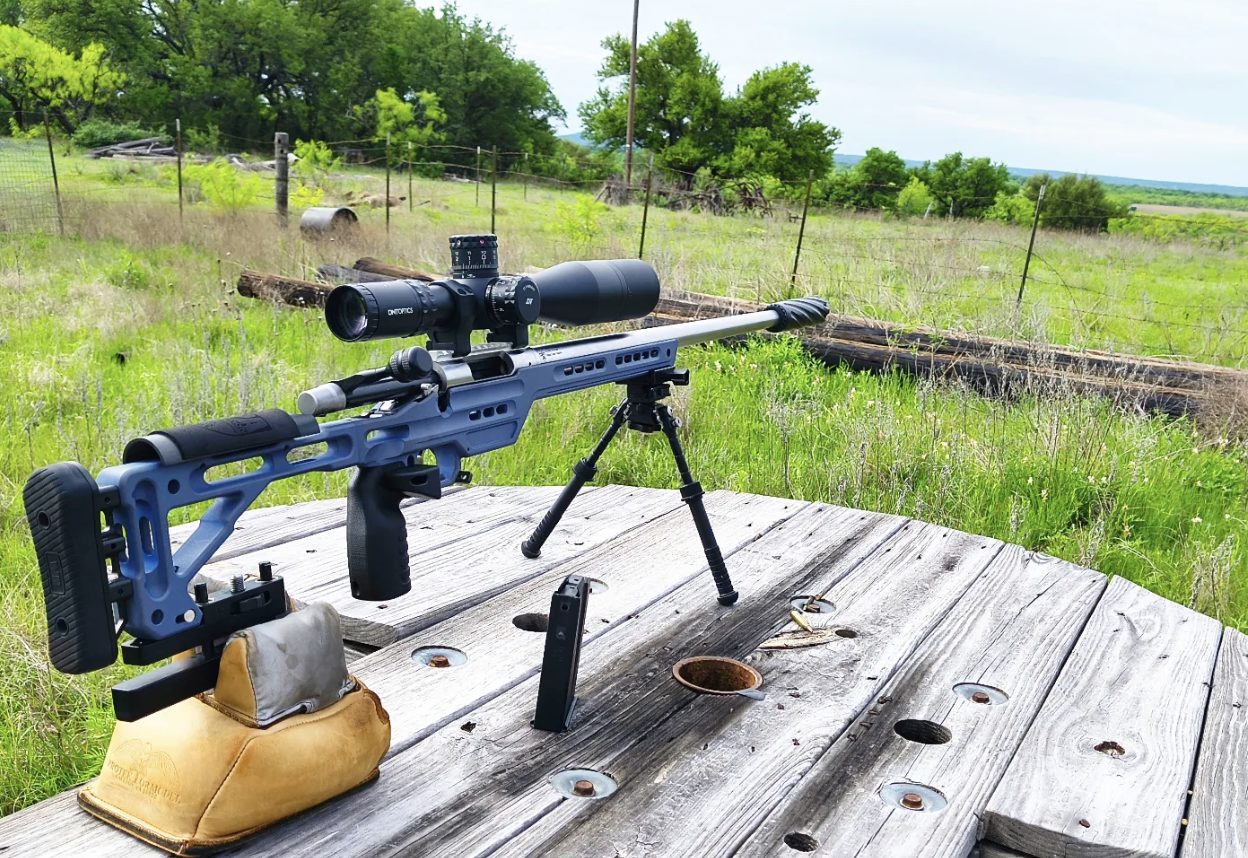
One of the most important developments in recent years is the evolution of suppressor engineering.
Modern suppressors are no longer simple expansion tubes. Many are designed to:
- Reduce back pressure
- Improve gas flow efficiency
- Minimize blowback into the action
- Distribute heat more evenly across the suppressor body
These improvements directly reduce the conditions that contribute to accelerated barrel wear.
As a result, concerns that were valid with older suppressor technology are far less relevant with today’s designs.
Does Shooting Suppressed Reduce Barrel Life Significantly?
For most shooters, the answer is no.
A more accurate way to frame it is:
- Suppressors slightly change wear patterns
- They do not drastically shorten barrel lifespan under normal use
- Maintenance and shooting behavior matter more than suppressor use itself
In many cases, shooters never notice a meaningful difference in barrel longevity between suppressed and unsuppressed firearms.
How to Minimize Barrel Wear When Shooting Suppressed
If your goal is to maximize barrel life while running a suppressor, the following practices can make the biggest difference:
Avoid sustained rapid fire
Heat buildup is the primary driver of accelerated wear.
Allow cooling periods between strings
Letting the barrel cool reduces thermal stress on the throat.
Maintain proper cleaning routines
Suppressors increase carbon buildup, which should be regularly removed.
Use quality ammunition
Consistent pressure and clean-burning powders reduce fouling, choose your ammunition wisely.
Consider tuning your gas system
Adjustable gas blocks or properly tuned platforms reduce unnecessary back pressure.
Why Suppressor Quality Matters
Not all suppressors affect barrel life equally.
Poorly designed suppressors can:
- Increase back pressure excessively
- Trap unnecessary heat in the system
- Push more carbon and debris into the action
- Accelerate fouling and maintenance cycles
Higher-quality suppressors focus on gas management and flow efficiency, which helps mitigate these issues.
Why Silent Armament Forge Is a Strong Choice for Suppressor Performance
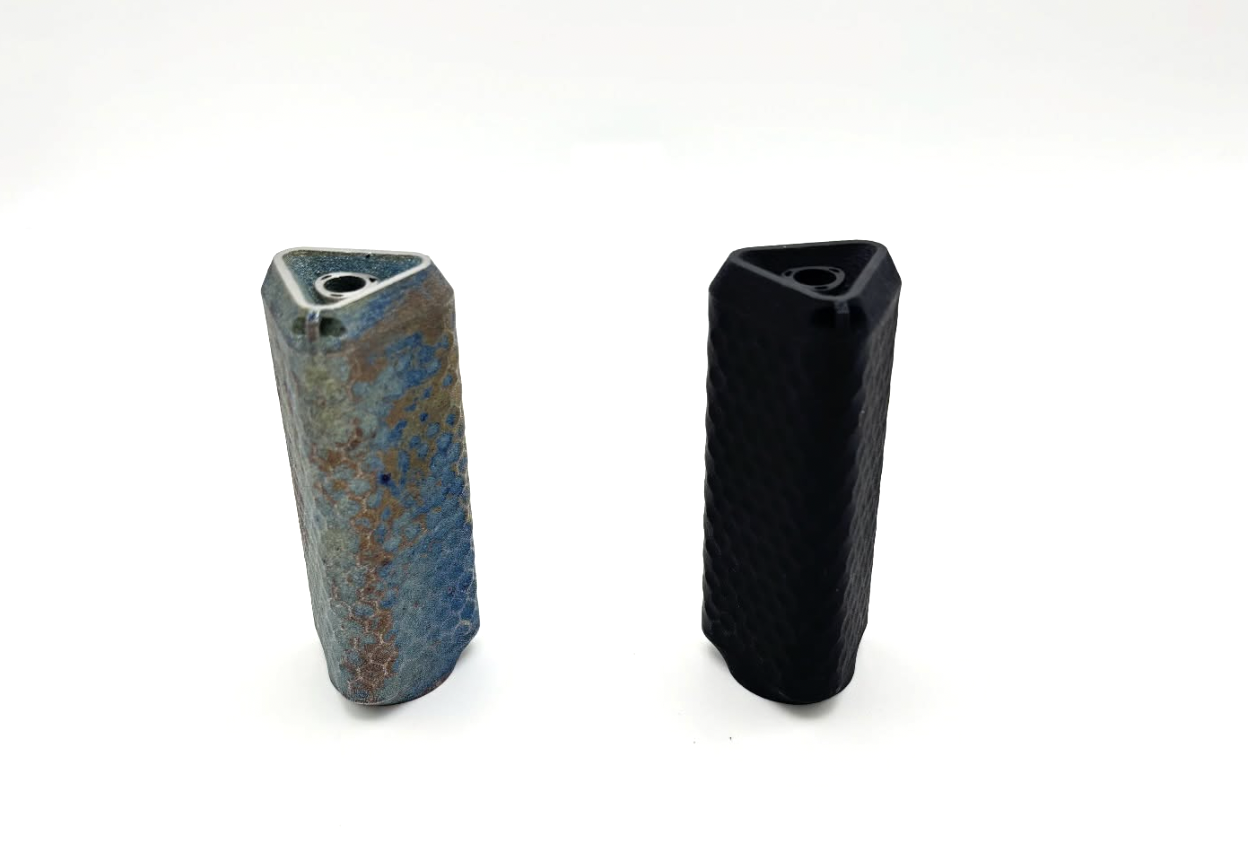
For shooters looking to balance suppression performance with long-term firearm health, Silent Armament Forge (SilentAF) positions itself around modern suppressor engineering principles.
SilentAF suppressors are designed with emphasis on:
- Efficient heat dispersion to manage thermal buildup
- Consistent performance across different calibers and platforms
- Durability under sustained firing conditions
The goal is not just sound reduction (which we do efficiently), but maintaining a balanced system that minimizes unnecessary stress on the barrel and action.
For shooters concerned about long-term wear, choosing a suppressor built with these design priorities can make a meaningful difference in overall firearm longevity and reliability.
Final Verdict
So, do suppressors wear out your barrel faster? Sometimes, but only slightly—and usually not enough to matter for most shooters.
The primary contributors to barrel wear remain heat, firing volume, and cartridge pressure. A suppressor can influence these factors, but modern designs have significantly reduced their impact.
For the average shooter, the difference in barrel life between suppressed and unsuppressed use is often minimal. In many cases, proper maintenance and responsible shooting habits will have a far greater effect on barrel longevity than suppressor use itself.
Ultimately, a well-designed suppressor from a manufacturer like Silent Armament Forge allows shooters to enjoy reduced noise, improved comfort, and enhanced control—without meaningfully sacrificing barrel life.
Be sure to follow SilentAF on Instagram!