
What Makes a Suppressor Suitable for High-Volume Shooting?
Nov 7th 2026
Can You Put High Amounts of Rounds Through Your Suppressor?
When selecting a rifle suppressor, sound reduction is only one part of the equation. For shooters who regularly spend extended periods at the range, participate in training sessions, or put substantial rounds through their firearms, durability and heat management are equally important considerations.
A suppressor designed for high-volume shooting needs to withstand repeated exposure to extreme temperatures, expanding gases, and sustained firing schedules without compromising its structural integrity. Material selection, manufacturing methods, internal design, and overall construction all play a role in determining how well a suppressor handles demanding use.
But how many rounds can you actually put through a suppressor? Is there a specific round count when a suppressor needs to be replaced? Understanding these factors can help you make a more informed decision when investing in a quality suppressor.
Our team at Silent Armament Forge is going to break it down.
What Is High-Volume Shooting?
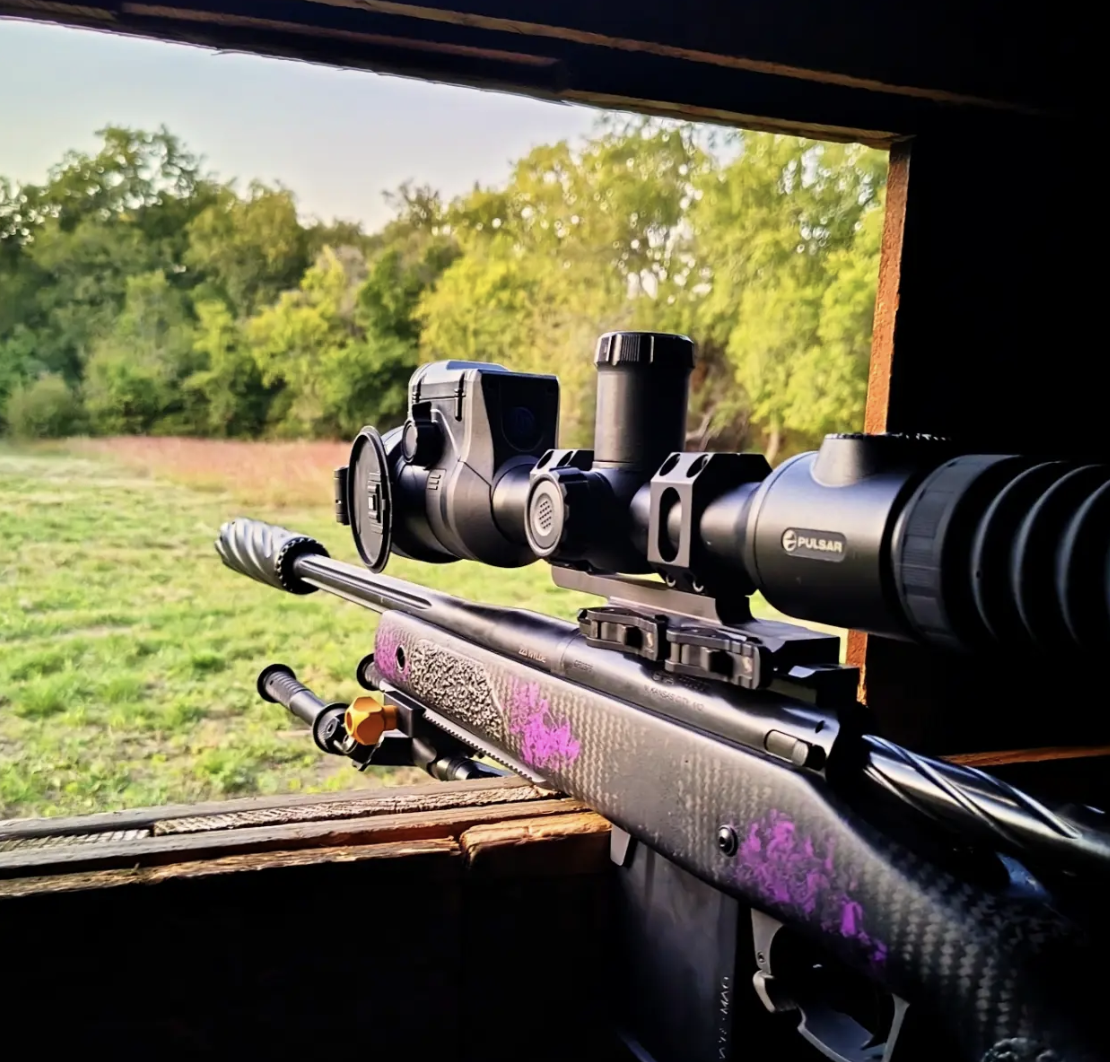
High-volume shooting generally refers to firing a substantial number of rounds during a single range session or over repeated training sessions. Unlike occasional recreational shooting or hunting trips, high-volume use can expose firearm components to considerably more heat and mechanical stress.
For suppressors, this creates several important challenges:
- Heat buildup: Every shot generates hot gases that raise the suppressor's internal and external temperatures.
- Thermal cycling: Repeated heating and cooling can contribute to material fatigue and difficulty cycling over time.
- Internal erosion: Hot, high-pressure gases can gradually wear down internal surfaces.
- Material stress: Sustained exposure to extreme temperatures can affect the strength and longevity of certain materials.
- Carbon and debris accumulation: Depending on the firearm, ammunition, and suppressor design, deposits can accumulate inside the suppressor.
A suppressor intended for occasional recreational use may not necessarily be the right choice for someone who regularly participates in demanding shooting activities.
How Many Rounds Can You Put Through a Suppressor?
One of the most common questions prospective suppressor owners ask is how many rounds a suppressor can handle before it wears out.
The answer depends on several factors, including the suppressor's materials, construction, caliber, ammunition, firing schedule, and maintenance requirements.
There is no universal round-count limit for all suppressors. Some models are designed for demanding firing schedules and extended service life, while others have more restrictive firing schedules or manufacturer-defined service limits.
For example, a suppressor used primarily for occasional recreational shooting will experience different levels of wear than one exposed to frequent training sessions and sustained firing.
Rather than relying on a single round-count estimate, consider these factors:
- Manufacturer specifications: Follow the manufacturer's published service-life guidance and firing restrictions.
- Caliber compatibility: Using ammunition outside the suppressor's approved caliber or pressure specifications can create serious safety risks.
- Barrel length restrictions: Some suppressors have minimum barrel-length requirements that affect their approved applications.
- Firing schedule: Rapid or sustained firing can produce significantly more heat than slower-paced recreational shooting.
- Material and construction: Different metals and manufacturing methods have different thermal and erosion characteristics.
A suppressor should not be considered safe indefinitely simply because it has not reached a particular round count. Inspection and adherence to manufacturer guidance remain essential throughout its service life.
5 Important Features of a High-Volume Suppressor
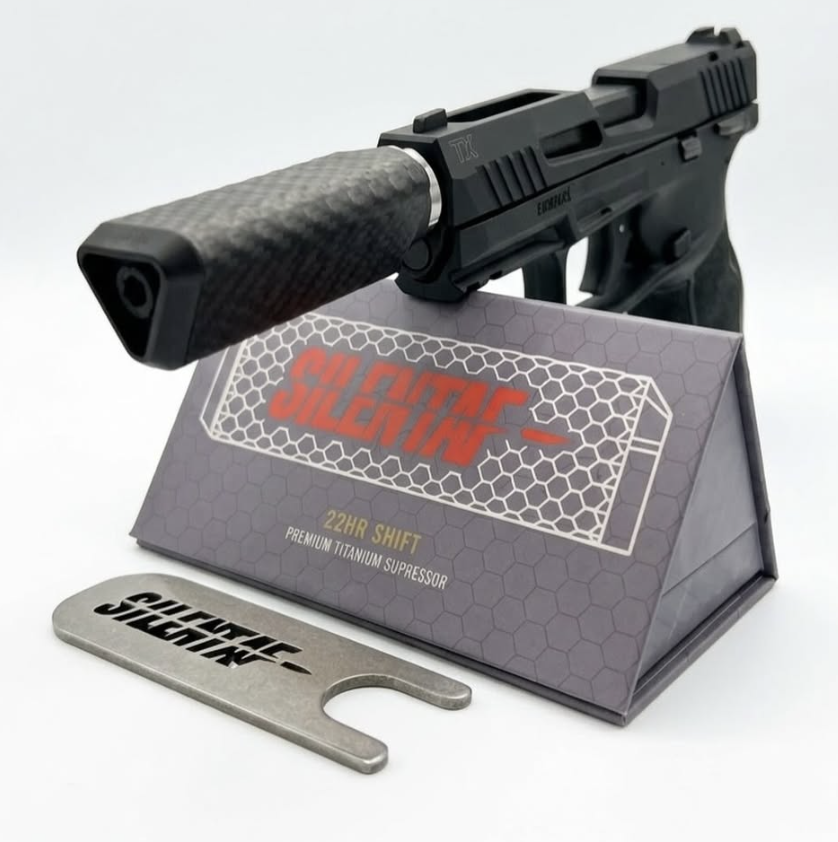
When comparing suppressors for frequent range use, there are several construction and performance characteristics worth evaluating.
1. Heat Resistance and Thermal Management
Heat is one of the biggest challenges for suppressors during extended shooting sessions. Each round sends hot, expanding gases through the suppressor, increasing its internal temperature.
Repeated exposure to extreme temperatures can contribute to material fatigue, erosion, and eventual component failure.
Quality suppressors use materials and designs selected to withstand these conditions. Titanium and heat-treated stainless steel are two materials commonly used in premium suppressor construction.
Thermal management is particularly important for shooters who want a suppressor that maintains its structural integrity through demanding use.
2. Durable Internal Components
The internal components of a suppressor experience significant stress. In particular, the blast chamber and initial baffles are exposed to intense heat and high-pressure gases.
This is why internal construction matters just as much as the exterior material.
For example, the Vigilantis from Silent Armament Forge combines a titanium body with heat-treated 17-4 stainless steel blast baffles. This construction places a durable material in an area that experiences substantial thermal and mechanical stress.
3. Advanced Manufacturing Techniques
Suppressor manufacturing has evolved considerably, with modern additive manufacturing creating opportunities for more complex internal designs.
3D-printed titanium suppressors can incorporate integrated geometries that are difficult to achieve through conventional manufacturing methods.
The FNG DAY1 from SilentAF uses monolithic 3D-printed titanium construction with an integrated dual-wall baffle system. Its design eliminates traditional stacked baffle components and associated welds.
These manufacturing characteristics make construction quality and material selection important considerations when evaluating a suppressor for long-term use.
4. Consistent Performance
A high-quality suppressor should maintain its intended performance throughout its service life.
This includes maintaining structural integrity, proper alignment, and reliable sound reduction.
Material degradation, excessive erosion, and internal damage can eventually affect performance. Regular inspection and following the manufacturer's maintenance recommendations help identify potential problems before they become more serious.
5. Appropriate Caliber and Firearm Compatibility
Not every suppressor is suitable for every firearm or shooting application.
Caliber compatibility, ammunition specifications, barrel length restrictions, and manufacturer firing limitations all matter.
A suppressor that is appropriate for one rifle configuration may not be approved for another.
Always review the manufacturer's specifications before purchasing or using a suppressor.
Does Titanium Make a Suppressor More Durable?
Titanium has become a popular material in modern suppressor manufacturing because of its excellent strength-to-weight ratio and corrosion resistance.
Its relatively low weight makes it attractive for shooters who want to minimize additional weight at the muzzle without sacrificing structural performance.
However, titanium is not automatically the best material for every suppressor application. Different titanium alloys and designs have different thermal characteristics, and performance depends on the complete engineering of the suppressor.
This is why some manufacturers combine titanium bodies with different materials in high-stress areas.
For example, the SilentAF Vigilantis uses a titanium body and heat-treated 17-4 stainless steel blast baffles. This hybrid approach combines lightweight construction with additional durability in a critical internal area.
How Can You Extend the Life of Your Suppressor?
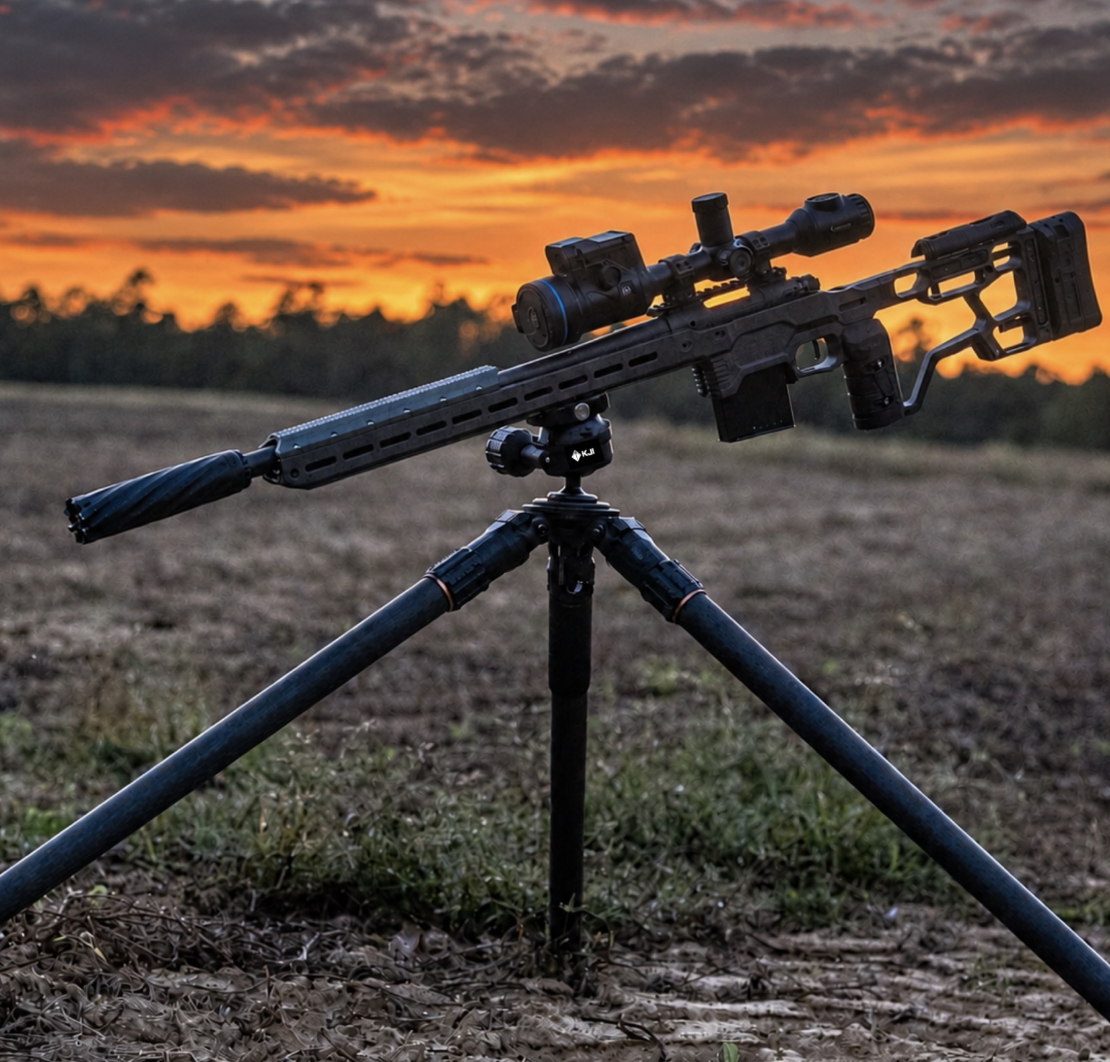
Even a well-engineered suppressor requires proper care. While manufacturing quality plays a major role in longevity, how a suppressor is used and maintained also matters.
Consider these general maintenance recommendations:
- Follow manufacturer firing restrictions: Respect published firing schedules, caliber limitations, and barrel-length requirements.
- Allow proper cooling: Avoid exceeding the manufacturer's recommended firing schedule or thermal limits.
- Inspect regularly: Look for visible damage, unusual wear, corrosion, or signs of misalignment.
- Follow cleaning recommendations: Not every suppressor requires the same cleaning procedures. Use only manufacturer-approved methods.
- Use approved ammunition: Ammunition must meet the manufacturer's specifications for the specific suppressor.
- Avoid unauthorized modifications: Changes to suppressor components can compromise safety and potentially void warranty coverage.
Proper maintenance and responsible use can help preserve suppressor performance over time.
Why Choose Silent Armament Forge for Suppressor Durability?
At Silent Armament Forge (SilentAF), suppressor engineering focuses on combining advanced materials, innovative manufacturing, and dependable construction.
Two products worth exploring are the Vigilantis and FNG DAY1.
Vigilantis Suppressor
The Vigilantis combines a titanium body with heat-treated 17-4 stainless steel blast baffles. This construction offers a balance of reduced weight and durability in high-stress areas.
FNG DAY1 Suppressor
The FNG DAY1 features monolithic 3D-printed titanium construction and an integrated dual-wall baffle system. Its innovative manufacturing approach eliminates traditional stacked baffles and welds.
SilentAF also offers a lifetime limited warranty covering qualifying defects in materials and workmanship for the original purchaser. Ordinary wear and tear, neglect, and damage resulting from unreasonable use are excluded. Buyers should review the complete warranty terms before use.
Final Thoughts: Choosing a Suppressor for High-Volume Shooting
Choosing a suppressor for high-volume shooting requires looking beyond sound reduction. Material selection, internal construction, thermal management, manufacturing quality, and approved firing schedules all influence how well a suppressor holds up over time.
There is no universal answer to how many rounds a suppressor can handle. A suppressor's expected service life depends on its engineering, ammunition, firearm configuration, firing schedule, and maintenance.
Rather than focusing exclusively on round count, look for a manufacturer that provides clear specifications, appropriate use limitations, and dependable warranty support.
Silent Armament Forge combines advanced titanium manufacturing and innovative suppressor engineering to deliver options for shooters who value durability, performance, and quality construction.
Explore the Vigilantis and FNG DAY1 suppressors from Silent Armament Forge at SilentAF.us.
Be sure to follow SilentAF on Instagram!