
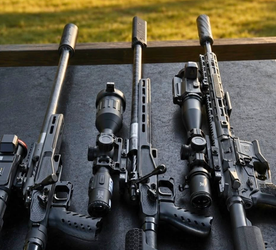
What Is First-Round Pop on a Suppressor?
Sep 28th 2026
The First Round May be a Bit Louder
The year of 2026 has brought a lot of change to the suppressor industry, making them more popular than ever amongst hunters, civilian shooters, and professionals. A suppressor is designed to reduce the sound signature of a firearm, they don't make them entirely silent, but even the best suppressor cannot make every shot sound exactly the same. One phenomenon that many shooters notice is known as first-round pop, or first-round flash and pop.
So, what is first-round pop on a suppressor, and why does the first shot sometimes sound louder than the shots that follow?
Understanding first-round pop can help you better understand how suppressors work and what factors affect their overall sound performance.
Our team at SilentAF is going to break it down.
What Is First-Round Pop?
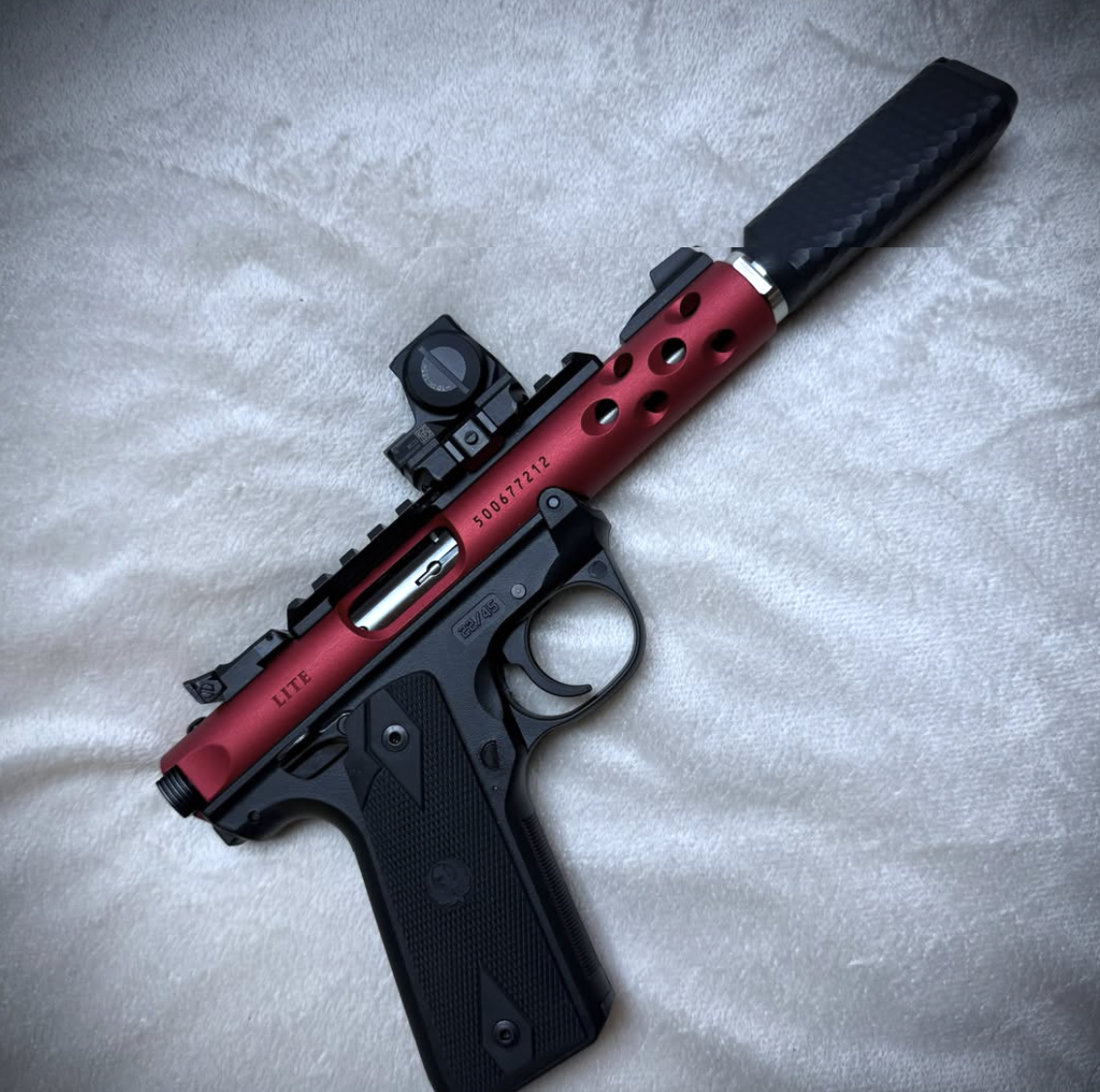
First-round pop is the noticeable increase in sound produced by the first suppressed shot compared with subsequent shots.
The primary reason is the presence of oxygen inside the suppressor before the first shot is fired.
When a firearm is fired, hot combustion gases enter the suppressor. Those gases can react with the oxygen already present inside the suppressor, creating an additional combustion event that contributes to the sound and flash of the first shot.
After that first round, the suppressor's internal environment contains significantly less oxygen. As a result, subsequent shots may have a different and sometimes quieter sound signature.
This difference is commonly referred to as first-round pop.
Why Does First-Round Pop Happen?
To understand first-round pop, it helps to understand what happens inside a suppressor.
When ammunition is fired, rapidly expanding gases leave the firearm behind the projectile. The suppressor provides additional volume and internal structures that help slow, cool, and redirect those gases before they exit the muzzle.
Before the first shot, however, the suppressor contains normal atmospheric air, including oxygen.
The first shot introduces extremely hot propellant gases into that environment. The interaction between those gases and the oxygen inside the suppressor can produce additional combustion and pressure, contributing to the distinctive first-shot sound.
Once the first shot has occurred, the suppressor's internal environment changes. That is why the first shot can sound noticeably different from the second, third, and subsequent shots.
Is First-Round Pop the Same With Every Suppressor?
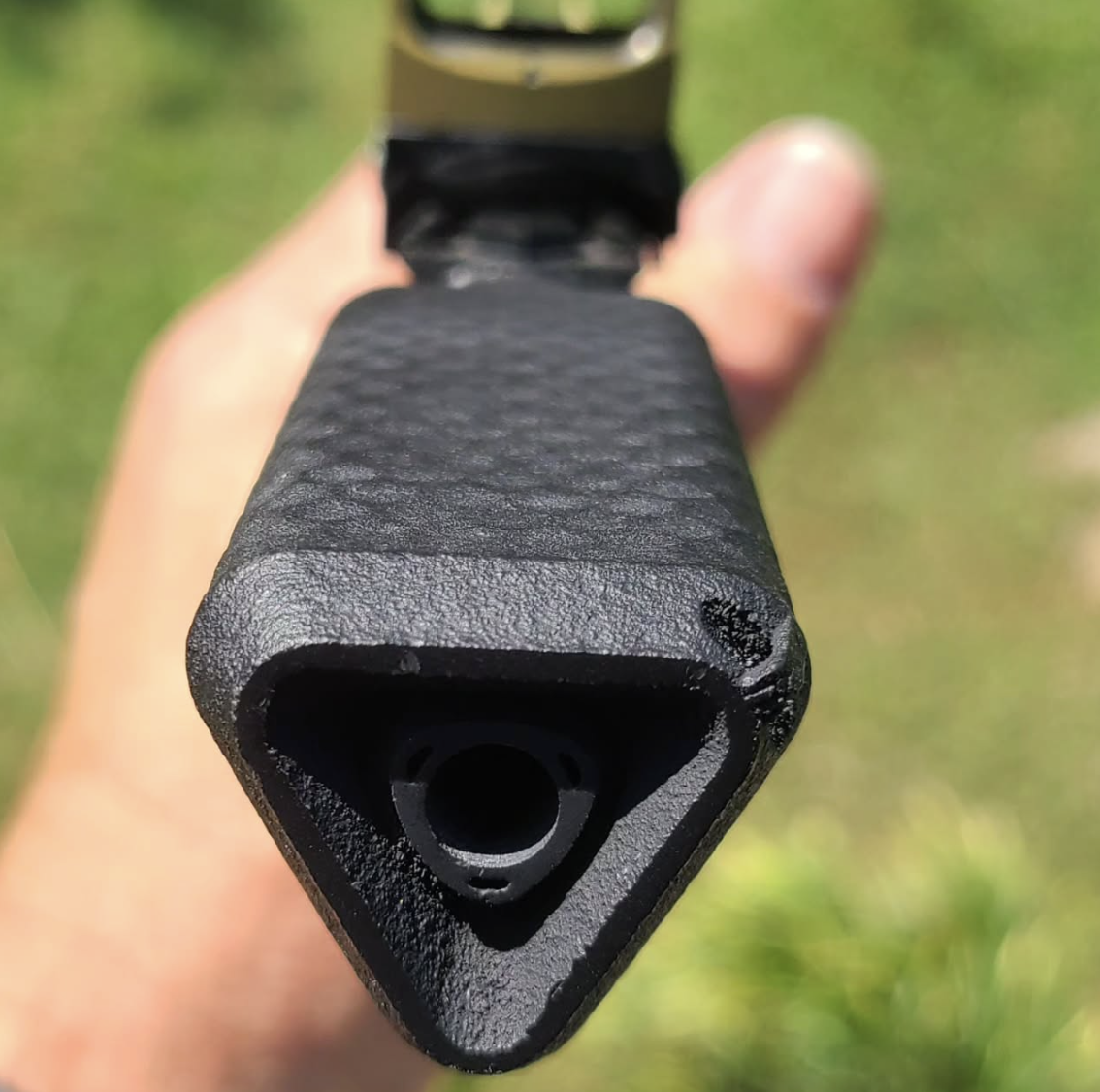
No. First-round pop can vary considerably depending on the suppressor, firearm, ammunition, and overall setup.
Suppressor design plays an important role. Internal volume, baffle design, materials, and other engineering characteristics can all influence how gases behave inside the suppressor.
The host firearm and ammunition also matter. Different cartridges produce different amounts and pressures of gas, which can affect the overall sound signature.
Environmental conditions and the way a firearm is configured can also influence what the shooter perceives.
Because of these variables, there is no single level of first-round pop that applies to every suppressed firearm.
Why Is First-Round Pop More Noticeable With Some Ammunition?
Ammunition can have a significant impact on suppressor performance.
Different loads use different propellants and produce different quantities of gas and pressure. The characteristics of the ammunition can therefore influence both the overall sound signature and how noticeable the first shot sounds.
This is one reason suppressor performance should be considered as a complete system rather than looking at the suppressor by itself.
The suppressor, host firearm, ammunition, barrel configuration, and shooting environment can all contribute to the final result.
Can First-Round Pop Be Reduced?
Suppressor manufacturers use different design approaches to manage first-round pop and overall sound performance.
Some suppressor designs incorporate features intended to influence gas flow and reduce unwanted sound characteristics. The amount of internal volume and the way gases are managed inside the suppressor can also affect first-shot behavior.
Shooters may also notice differences when using different ammunition or host configurations.
However, first-round pop is a characteristic of the suppressed firing process rather than something that can necessarily be eliminated completely.
A suppressor that produces a small amount of first-round pop may still provide excellent overall sound reduction.
Why Does First-Round Pop Matter?
For many shooters, first-round pop is simply something they want to understand when evaluating suppressor performance.
If you are comparing suppressors, looking only at a single advertised sound-reduction number may not tell the entire story. Suppressor performance involves several different factors, including:
- Overall sound reduction
- First-round pop
- Muzzle flash
- Backpressure
- Recoil
- Suppressor size and weight
- Durability
- Mounting system
- Host firearm compatibility
Understanding these characteristics can help you make a more informed decision when selecting a suppressor for your setup.
First-Round Pop vs. Overall Suppressor Sound
It's important not to confuse first-round pop with the overall sound of a suppressed firearm.
A suppressor can significantly reduce the sound produced by a firearm while still producing a noticeable difference between the first and subsequent shots.
In other words, first-round pop doesn't mean the suppressor isn't working.
It is simply a phenomenon associated with the conditions inside the suppressor before and after the first shot.
Does First-Round Pop Happen With Every Suppressed Shot?
The phenomenon is most noticeable when the suppressor begins with an oxygen-rich environment.
Once the suppressor has been fired, the internal environment changes. That's why shooters may notice the first shot sounding different from subsequent shots during a string of fire.
The exact difference depends on the suppressor and the firearm system being used.
Choosing a Suppressor: Look Beyond Sound Reduction
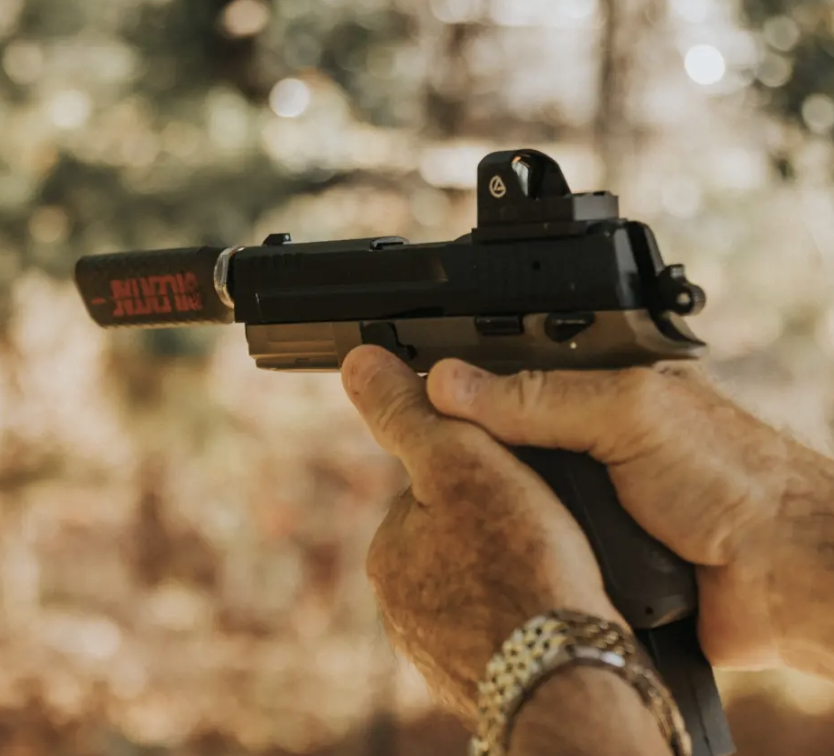
If you're shopping for a suppressor, sound reduction is obviously an important consideration, but it shouldn't be the only factor.
Think about how the suppressor fits into your complete firearm setup. Size, weight, mounting method, durability, backpressure, and intended use can all influence your experience.
First-round pop is another piece of the puzzle worth understanding.
At SilentAF, our goal is to help shooters better understand their equipment and make informed decisions about their setups. Whether you're looking for suppressor information or building a complete night vision and shooting setup, understanding how your equipment works is an important part of getting the most from it.
Final Thoughts on First-Round Pop
First-round pop is the increase in sound that can occur during the first shot through a suppressor because of the oxygen present inside the suppressor before firing.
When hot propellant gases enter the suppressor, they can interact with that oxygen and create additional combustion and pressure. After the first shot, the internal environment changes, which can make subsequent shots sound different.
It is a normal phenomenon associated with suppressed firearms and is one of the many factors worth considering when evaluating suppressor performance.
Understanding terms like first-round pop, backpressure, muzzle flash, and sound reduction can help you become a more informed suppressor owner and make better decisions when choosing equipment for your setup.
Be sure to follow SilentAF on Instagram!