

How to Make a Night Vision Helmet More Comfortable
Sep 13th 2026
Make an Uncomfortable Setup More Comfortable
Night vision can dramatically improve visibility in low-light environments whether you are operating in close quarters or hunting in the dark, but anyone who has spent time wearing a helmet-mounted night vision setup knows that comfort can become an issue. The added weight of night vision devices, mounts, counterweights, batteries, and other accessories can make a helmet feel unbalanced and put additional strain on your head and neck.
Fortunately, you don't necessarily need to completely rebuild your setup to make it more comfortable.
Proper helmet fit, balanced weight distribution, good padding, and an appropriately configured counterweight can all make a significant difference. Whether you're running a PVS-14, dual-tube night vision, or another helmet-mounted setup, the following adjustments can help make extended use more comfortable.
Our team at Silent Armament Forge is going to break it down.
Why Does a Night Vision Helmet Feel Uncomfortable?
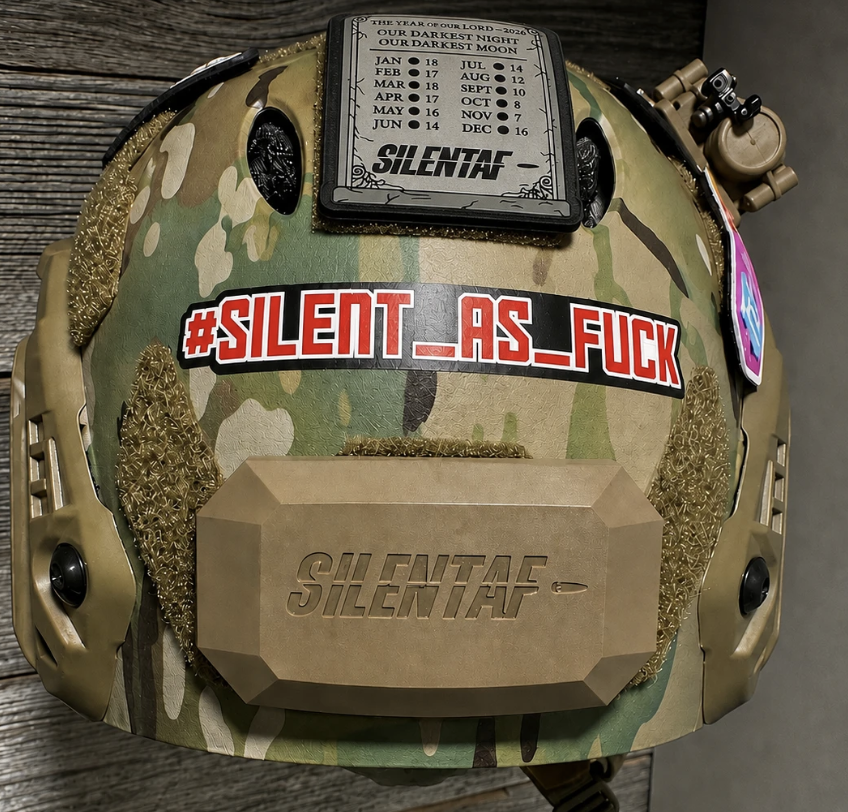
One of the biggest reasons night vision helmets become uncomfortable is weight distribution.
Night vision devices are mounted toward the front of the helmet. That creates a forward-pulling force that can cause the helmet to shift, tilt, or place additional load on your head and neck, and during a long hunt, that can be brutal.
The problem can become more noticeable as you add equipment such as:
- Night vision devices
- NVG mounts
- IR illuminators
- Cameras
- Battery packs
- Communications equipment
- Rear accessories
- Helmet lights
The total weight matters, but where that weight is positioned matters just as much.
A properly balanced helmet can feel substantially better than an otherwise identical setup with most of the weight concentrated at the front.
1. Make Sure Your Helmet Fits Properly
Before adding accessories or changing your setup, start with the helmet itself. A helmet that is too loose can move around as you walk or move your head. A helmet that is too tight can create pressure points and become uncomfortable over longer periods.
Your helmet should sit securely without creating excessive pressure.
Pay attention to:
- Front-to-back movement
- Side-to-side movement
- Pressure points
- Chin strap adjustment
- Padding placement
- Overall stability
A properly fitted helmet provides the foundation for a comfortable night vision setup.
2. Balance the Weight of Your Night Vision Setup
One of the most effective ways to improve night vision helmet comfort is to address front-to-back balance. Because NVGs are mounted toward the front, your helmet can become front heavy. This can cause the helmet to pull forward and increase the amount of work your neck muscles have to do to maintain a comfortable position.
Adding appropriately positioned weight toward the rear of the helmet can help counterbalance the forward load.
This is where a dedicated night vision helmet counterweight can be useful.
Why Use a Helmet Counterweight?
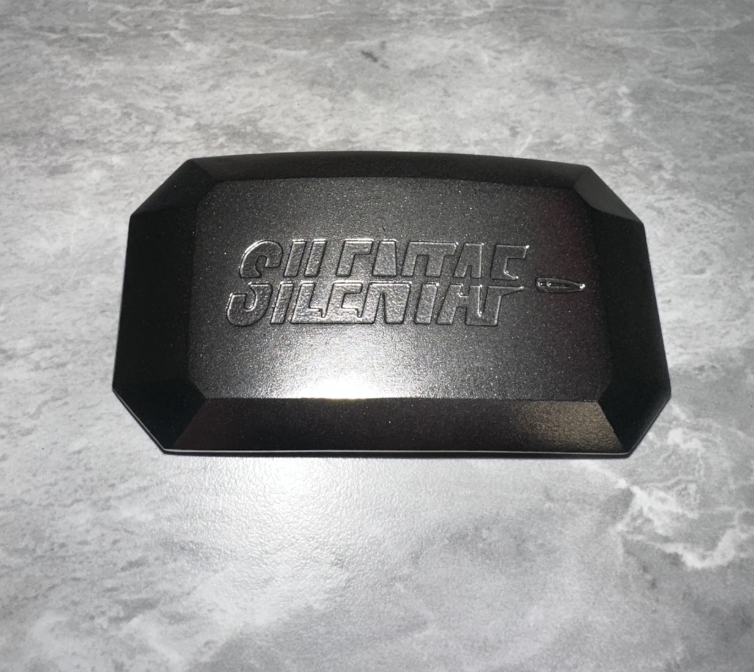
A counterweight places additional weight toward the rear of the helmet to help offset equipment mounted at the front.
The goal isn't simply to add as much weight as possible. Instead, the goal is to achieve a better balance for your particular configuration.
Your ideal counterweight depends on factors such as:
- Night vision device
- NVG mount
- Helmet
- Additional accessories
- Battery configuration
- Individual fit and comfort preferences
A SilentAF counterweight can help you fine-tune the balance of your helmet-mounted night vision setup.
3. Don't Add More Weight Than You Need
It's important to remember that adding weight isn't automatically the solution. If your helmet is already carrying a substantial amount of equipment, adding unnecessary accessories can make the entire system heavier.
The goal should be balance without unnecessary weight.
A lighter setup that is properly balanced may be more comfortable than a heavier setup that has perfect front-to-back symmetry but adds several unnecessary ounces.
Evaluate your entire helmet configuration and consider whether every accessory serves a purpose.
4. Pay Attention to Helmet Padding
Padding plays an important role in helmet comfort. Even a properly balanced night vision setup can become uncomfortable if the helmet creates pressure points.
Inspect the placement and condition of your helmet pads. You want the helmet to remain stable while distributing contact across appropriate areas rather than concentrating pressure in one location.
If you're experiencing discomfort in one particular area, adjusting padding may help.
However, don't use padding adjustments as a substitute for properly fitting the helmet or addressing a severely unbalanced NVG setup.
5. Adjust Your Chin Strap
Your chin strap also contributes to helmet stability. A strap that is too loose can allow the helmet to move. A strap that is excessively tight can create unnecessary pressure and discomfort.
Take the time to adjust it so the helmet stays secure without creating excessive pressure.
Small fit adjustments can make a noticeable difference during longer periods of use.
6. Consider Your Night Vision Mount
The mount connecting your night vision device to your helmet can also affect comfort.
A night vision device positioned farther forward creates more leverage against the helmet. Depending on the setup, even small changes in positioning can affect how the weight feels.
When configuring your setup, consider the relationship between:
Helmet → Mount → Night Vision Device → Counterweight
These components work together as a system.
If you change one component, the balance of the entire setup can change.
7. Use a Counterweight Designed for Helmet-Mounted Night Vision
A purpose-built counterweight can be a practical solution for people who need to offset the weight of helmet-mounted night vision equipment.
The advantage of a dedicated counterweight is that it can provide a controlled way to add rear weight without simply attaching random objects to the back of the helmet.
SilentAF designs lightweight helmet counterweight solutions for night vision users looking to improve the balance of their setup.
If your NVGs are pulling your helmet forward, check out SilentAF's helmet counterweight options and see how a purpose-built solution can help improve your setup.
8. Think About the Entire Helmet Setup
Comfort isn't determined by one piece of equipment.
Your helmet may include several components, and each contributes to the overall weight and balance.
For example, a setup could include:
- Helmet
- NVG mount
- Night vision device
- Counterweight
- Battery
- Communications equipment
- Helmet light
- IR equipment
- Other accessories
Before adding another accessory, consider how it will affect the overall configuration.
The best night vision helmet setup is one that provides the functionality you need without unnecessary weight or complexity.
9. Keep Your Setup Balanced During Extended Use
A helmet that feels comfortable for a few minutes may feel very different after an extended period.
That's because sustained front-heavy loading can become increasingly noticeable over time.
If you frequently use helmet-mounted night vision for extended periods, pay attention to:
- Neck fatigue
- Helmet movement
- Pressure points
- Forward pulling
- Overall weight
- Stability
If discomfort consistently develops after longer use, it may be worth reassessing the balance and fit of your helmet.
10. Reevaluate Your Setup When You Add New Equipment
Adding a new accessory can change your helmet's balance.
For example, switching night vision devices or mounts can alter the amount of weight toward the front. Adding a battery or rear-mounted accessory can change the counterweight requirements.
Every major equipment change is a good opportunity to reassess your setup.
Don't assume that the same counterweight configuration will be ideal for every helmet or NVG setup.
How Much Counterweight Do You Need?
There isn't one universal counterweight amount that works for every night vision helmet.
The appropriate amount depends on the weight and positioning of your equipment.
A single PVS-14 setup will have different requirements from a dual-tube configuration. A helmet with additional front-mounted equipment may also require a different balance than a minimalist setup.
The objective should be to counterbalance the forward load without unnecessarily increasing total helmet weight.
Start with your existing setup and evaluate how it feels. Then make incremental adjustments rather than automatically adding the maximum amount of weight.
Does a Counterweight Make Night Vision More Comfortable?
A counterweight can make a night vision helmet feel more balanced by offsetting some of the forward load created by NVGs and other front-mounted equipment.
However, comfort is individual and depends on the complete setup.
A counterweight isn't intended to eliminate the weight of your night vision device. Instead, it helps redistribute that load so the helmet can sit more naturally.
For many users, improving balance can make an otherwise uncomfortable helmet setup significantly easier to wear.
Common Night Vision Helmet Comfort Mistakes

Avoiding a few common mistakes can help you build a more comfortable setup.
Adding Too Much Weight
More counterweight isn't always better. Excessive rear weight can make the entire helmet heavier without necessarily improving comfort.
Ignoring Helmet Fit
A perfectly balanced setup can still be uncomfortable if the helmet doesn't fit correctly.
Adding Accessories Without Considering Balance
Every accessory adds weight or changes where weight is distributed. Consider the impact before adding equipment.
Focusing Only on Total Weight
Total weight matters, but weight distribution is also important. A lighter but poorly balanced setup can sometimes feel worse than a slightly heavier, properly balanced setup.
Ignoring Discomfort
If your helmet consistently causes significant discomfort or neck strain, reassess the setup rather than simply trying to tolerate it.
Build a More Comfortable Night Vision Helmet Setup
Making a night vision helmet more comfortable doesn't necessarily require replacing your entire setup. Whether you are on the range running some training, hunting, or running an operation, comfort is key.
Start with the fundamentals:
- Make sure your helmet fits properly.
- Adjust the chin strap.
- Check your padding.
- Evaluate front-to-back weight distribution.
- Remove unnecessary accessories.
- Consider an appropriate counterweight.
- Reassess your setup whenever you add or remove equipment.
The goal is a helmet that stays secure, remains appropriately balanced, and doesn't create unnecessary discomfort during use.
Improve Your Night Vision Setup With SilentAF
If your helmet-mounted night vision setup feels front heavy, a dedicated counterweight may be worth considering.
SilentAF provides purpose-built helmet counterweight solutions designed for users who want a better-balanced night vision setup without adding unnecessary bulk for everything from tactical training to hunting.
Take a closer look at SilentAF and find a counterweight solution for your helmet-mounted night vision setup.
Frequently Asked Questions
How can I make my night vision helmet more comfortable?
Start by making sure the helmet fits properly and then evaluate the weight distribution. Adjust the padding and chin strap, remove unnecessary accessories, and consider a counterweight if your night vision setup is significantly front heavy.
Why does my night vision helmet feel front heavy?
Night vision devices are mounted toward the front of the helmet, which can create a forward load. A properly configured counterweight can help offset that load and improve overall balance.
Do I need a counterweight for a PVS-14?
Not every PVS-14 setup requires a counterweight. It depends on the helmet, mount, additional accessories, and personal comfort. If the setup is noticeably front heavy, a counterweight may help improve balance.
How much does a night vision helmet counterweight weigh?
Counterweight weight varies by product and configuration. The appropriate amount depends on the equipment mounted on the front of the helmet and the balance you're trying to achieve.
Can a counterweight reduce neck strain?
A properly configured counterweight may help reduce the forward-pulling effect of helmet-mounted night vision by improving weight distribution. However, total helmet weight, fit, and individual factors also affect comfort.
Is a lighter night vision helmet always more comfortable?
Not necessarily. Total weight is important, but weight distribution also plays a major role. A properly balanced setup can feel more comfortable than a lighter setup with poor weight distribution.
Final Thoughts
A comfortable night vision helmet starts with proper fit and ends with proper weight distribution.
If your NVGs are pulling your helmet forward, causing pressure points, or contributing to fatigue, take a closer look at the complete setup. Adjust the fit, review your accessories, and consider whether a dedicated counterweight could improve the balance.
SilentAF makes helmet counterweight solutions for night vision users who want to optimize the balance and comfort of their setup.
A few thoughtful adjustments can make a significant difference in how your helmet feels during extended use.
Be sure to follow SilentAF on Instagram!