
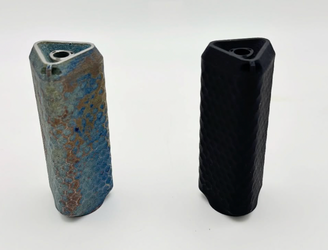
Suppressor Buying Guide in 2026
Apr 22nd 2026
What First-Time Buyers Need to Know
There are plenty of attachments out there for your firearms, and one of the attachments growing in popularity are suppressors. While the Big Beautiful Bill has passed and suppressor buying is more streamlined than ever, it can be intimidating, especially if it is your first one. Buying your first suppressor can feel overwhelming at first. Between NFA regulations, mounting systems, material choices, and performance differences, there’s a lot to learn. The good news is that once you understand the fundamentals, choosing the right suppressor becomes straightforward—and far less intimidating.
This guide from our team at Silent Armament Forge breaks everything down clearly for first-time buyers and highlights why purchasing from a reputable manufacturer ensures a smoother, more confident buying experience.
What a Suppressor Actually Does
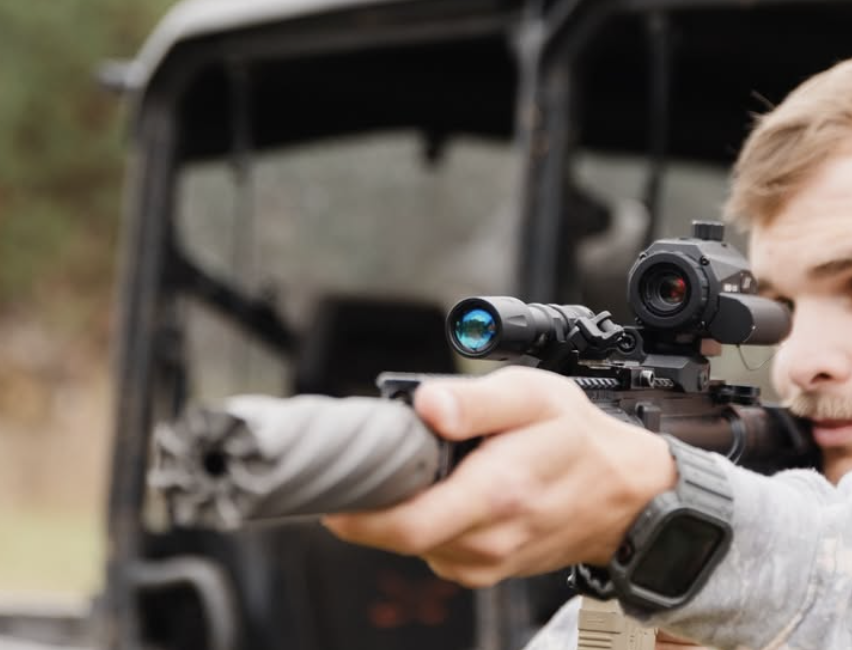
A suppressor is a muzzle device designed to reduce the sound, recoil, and flash produced when a firearm is fired.
Despite common misconceptions from movies and TV where these attachments seem to make the guns entirely silent, suppressors do not make firearms silent. Instead, they:
- Reduce noise to more hearing-safe levels (depending on caliber and ammo)
- Decrease recoil impulse for better control
- Minimize muzzle flash in low-light environments
- Improve shooting comfort during training or hunting
Think of a suppressor as a performance and safety upgrade—not a silence device.
Step 1: Understand the Legal Requirements (NFA Process)
Suppressors are regulated under the National Firearms Act (NFA), which means every buyer must go through a formal approval process.
What you’ll need:
- Purchase through a licensed dealer (FFL/SOT)
- Submit ATF Form 4
- Complete fingerprinting and background check
- Receive federal tax stamp
- Wait for ATF approval before taking possession
What to expect:
- Approval times vary depending on backlog
- The process can take several months or longer
- You cannot take possession until approval is complete
While the process takes patience, it is straightforward when followed correctly.
Step 2: Choose the Right Caliber Platform
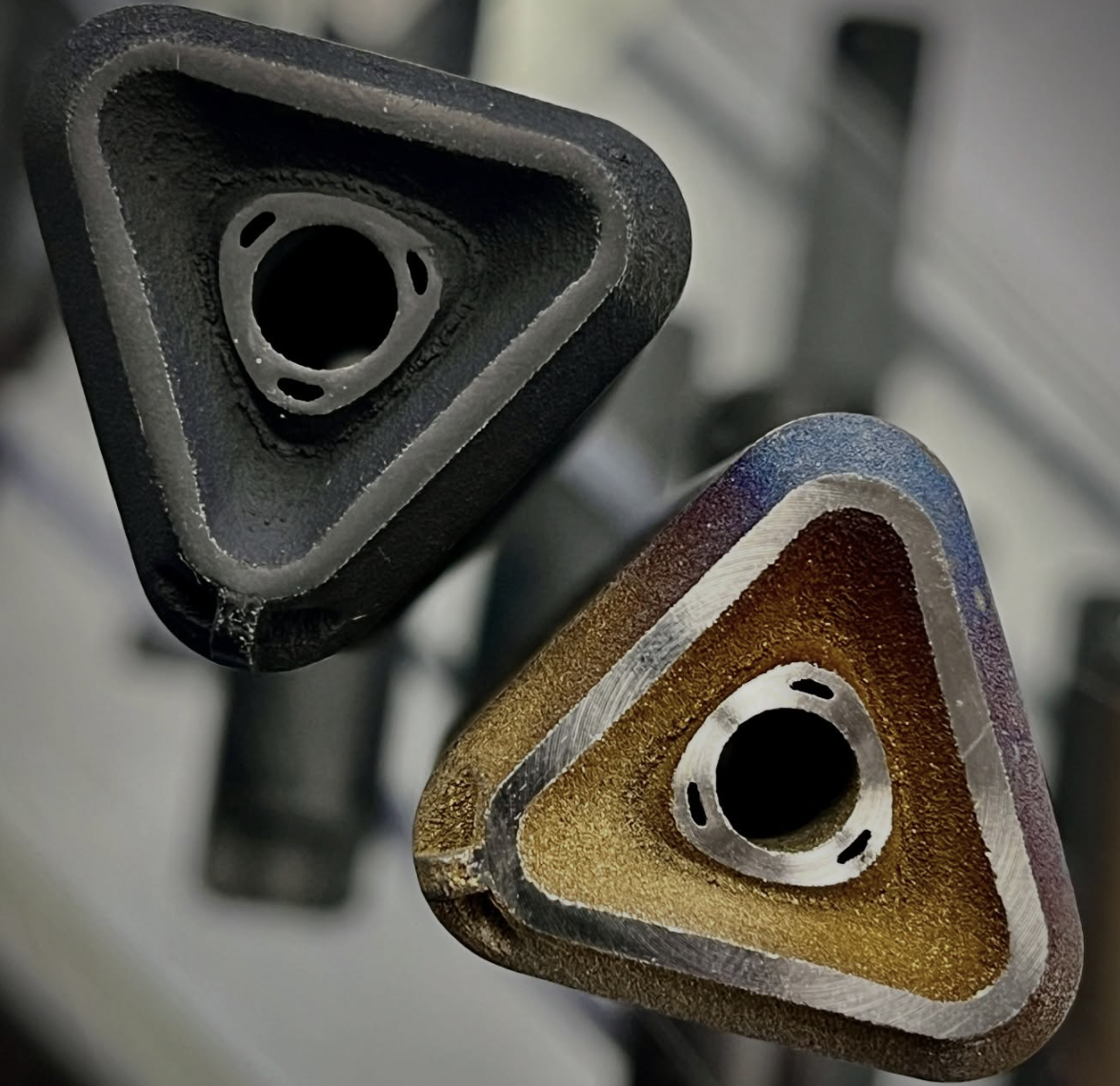
One of the most important early decisions is caliber compatibility.
Common suppressor categories:
.30 Cal Suppressors
While you may be thinking Why .30 cal" you will be surprised at how many calibers this type of suppressor can cover.
- Extremely versatile
- Works with .223/5.56, .308, 300 BLK, and more
- Ideal for users with multiple rifles
5.56 Dedicated Suppressors
- Lighter and more compact
- Optimized specifically for AR-15 platforms
- Less flexible but very efficient
Pistol Suppressors
- Designed for 9mm, .45 ACP, etc.
- Require piston/booster systems for cycling
Beginner recommendation:
If you only buy one suppressor first, a .30 caliber model gives the most flexibility.
Step 3: Mounting Systems Matter More Than Most People Think
The way a suppressor attaches to your firearm directly affects usability and performance. If you have it mounted improperly, you risk wear and tear, the suppressor not doing what it needs to, or misfires.
Direct Thread
- Screws directly onto barrel threads
- Lightweight and simple
- Best for dedicated setups or bolt guns
Quick Detach (QD)
- Uses a muzzle device like a flash hider or brake
- Allows fast on/off switching
- Ideal for multi-rifle users
Why it matters:
A poor mounting setup can lead to:
- Point-of-impact shift
- Carbon locking
- Inconsistent repeatability
A well-designed system ensures repeatable accuracy and ease of use.
Step 4: Material and Build Quality
Suppressors operate under extreme heat and pressure, so what they are made of matters significantly.
Common materials:
Stainless Steel
- Extremely durable
- Heavier but cost-effective
- Great for high-volume shooting
Titanium
- Lightweight and corrosion resistant
- Ideal for hunting or mobile setups
- More expensive but premium performance
Inconel / High-temp alloys
- Built for extreme heat and sustained fire
- Excellent durability under harsh conditions
High-quality manufacturing is essential for long-term reliability, which is why companies like Silent Armament Forge focus heavily on precision machining and durability standards.
Step 5: Understand Backpressure (Critical for AR Platforms)
Backpressure refers to the gas redirected back into the firearm when a suppressor is used.
What it affects:
- Gas blowback to the shooter
- Cycling speed and reliability
- Wear on internal components
- Overall shooting comfort
Modern suppressor designs aim to reduce backpressure for smoother operation—especially on semi-automatic rifles.
Step 6: Match the Suppressor to Your Use Case
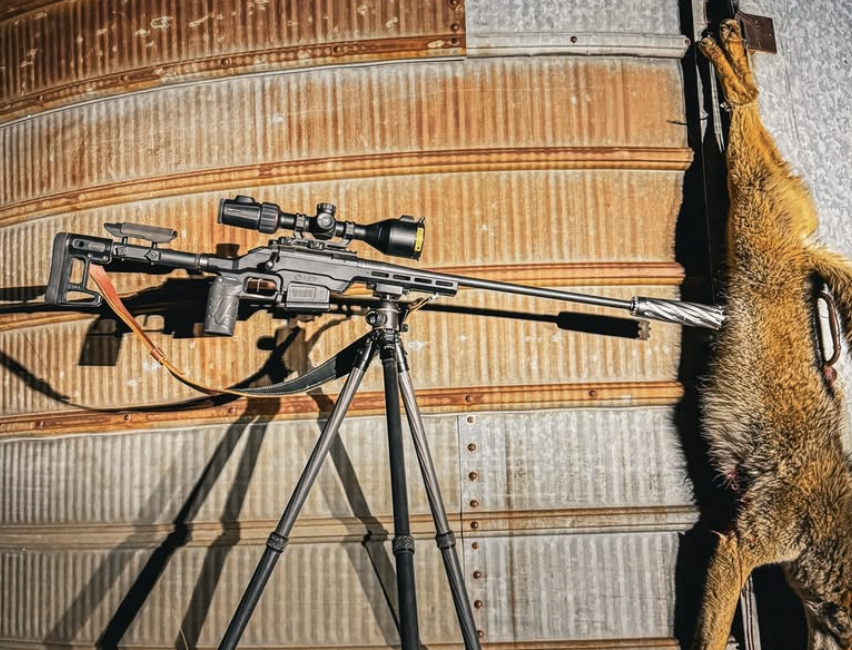
Your intended application should guide your purchase. Whether you are hunting, hitting the range, or looking for a suppressor for tactical use, these are things you want to consider.
Hunting
- Lightweight titanium suppressor
- Minimal added barrel weight
- Low-profile design
Tactical / Defensive Use
- Durable materials (steel or Inconel)
- Quick detach system
- High heat tolerance
Range / Training
- Balanced weight and performance
- Emphasis on recoil reduction
- Cost efficiency and versatility
Step 7: Barrel Length and Firearm Setup Compatibility
Suppressors change how a firearm behaves, especially on gas-operated systems.
Consider:
- Short barrels increase pressure and heat
- Gas system tuning may be required on AR platforms
- Buffer weight adjustments can improve cycling
- Some suppressors are optimized for specific barrel lengths
Proper system matching improves reliability and longevity.
Step 8: Realistic Sound Expectations
Suppressors significantly reduce noise, but they do not eliminate it.
Performance depends on:
- Caliber and ammunition type
- Barrel length
- Suppressor design
- Supersonic vs subsonic ammo
Key reality:
- Supersonic rounds still produce a ballistic crack
- Subsonic ammunition offers the quietest results
- Suppressors reduce concussion more than total silence
Step 9: Maintenance and Longevity
Suppressors are built for long-term use, but maintenance is still important.
- Carbon buildup is normal over time, but be sure to clean them
- Some suppressors are user-serviceable, others are sealed
- Regular inspection improves lifespan and performance
- Proper use prevents unnecessary wear
A well-built suppressor can last tens of thousands of rounds when properly maintained.
Step 10: Why Your Choice of Manufacturer Matters
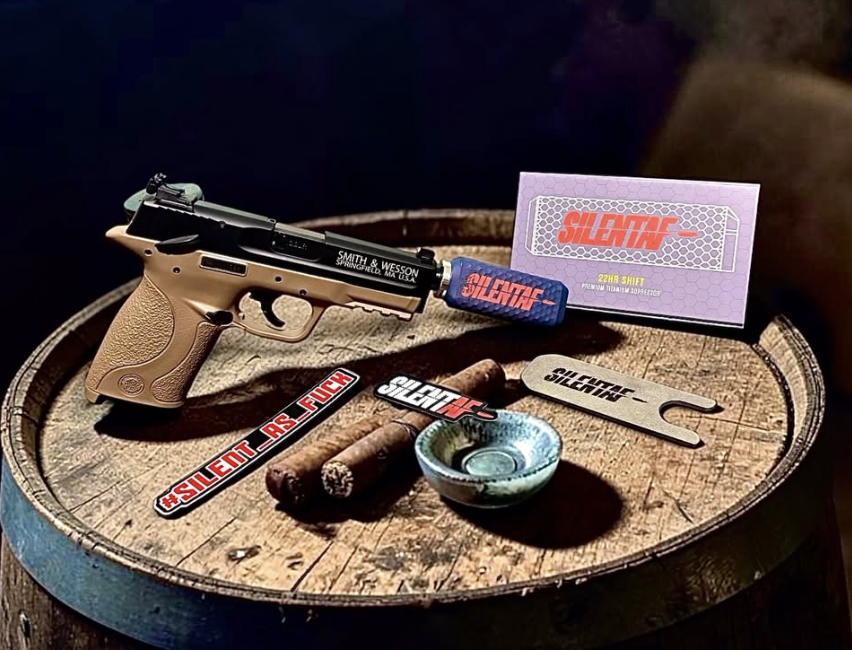
Suppressor performance is heavily dependent on engineering quality, material selection, and manufacturing consistency.
This is where choosing a trusted brand matters most.
Silent Armament Forge stands out for first-time buyers by focusing on:
- Precision machining tolerances
- Durable high-temperature construction
- Consistent quality control standards
- Suppressor designs built for real-world use cases
When you’re investing in a regulated, long-term firearm component, manufacturer reputation is just as important as specifications.
Final Thoughts
Buying your first suppressor doesn’t have to be complicated. Once you understand the legal process, mounting systems, and caliber compatibility, the decision becomes much more straightforward.
To recap:
- Start with a versatile caliber (.30 cal is ideal for most users)
- Choose the right mounting system for your needs
- Match materials and design to your use case
- Set realistic expectations for performance
- Buy from a reputable manufacturer like Silent Armament Forge
A well-chosen suppressor improves comfort, control, and training efficiency—and becomes one of the most valuable upgrades you can make to your firearm system.
Be sure to follow SilentAF on Instagram!