
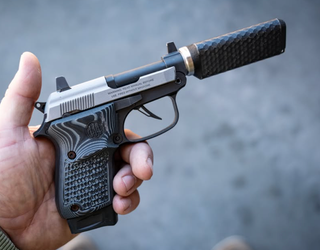
Breaking Down Rimfire Suppressors
Nov 14th 2026
What to Know Before Buying
Rimfire suppressors are a popular upgrade for firearm owners looking to reduce noise, improve their shooting experience, and get more out of their rimfire rifles and pistols. Whether you're shopping for your first .22 LR suppressor or looking to add another suppressor to your collection, understanding the differences in design, construction, compatibility, and maintenance can help you make a more informed purchasing decision.
With several options available, choosing the right rimfire suppressor involves more than comparing price tags. Factors such as suppressor weight, mounting compatibility, construction materials, and caliber ratings all play an important role.
Our team at Silent Armament Forge is breaking it down.
What Is a Rimfire Suppressor?
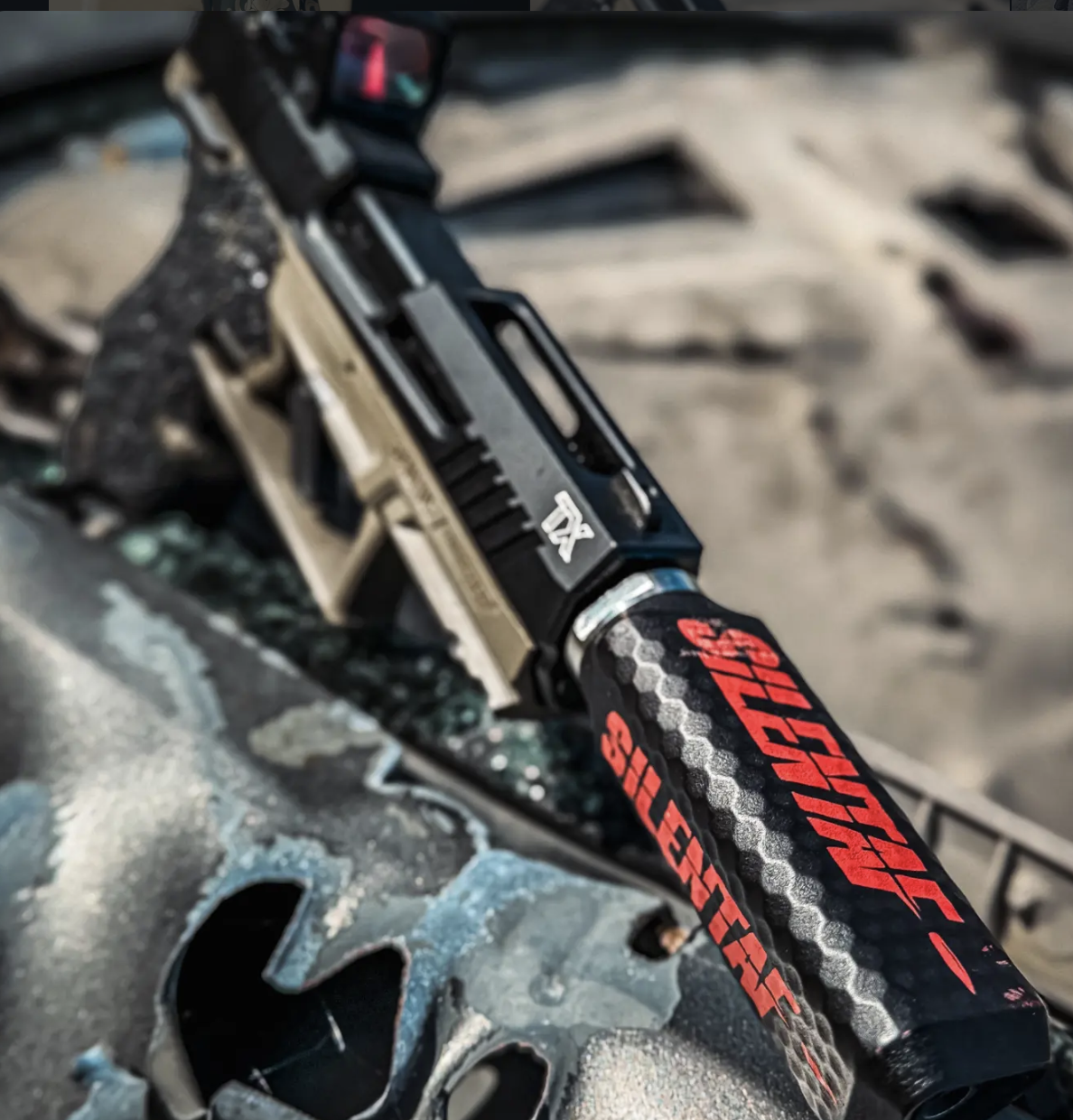
A rimfire suppressor is a firearm accessory designed to reduce the sound signature of a compatible rimfire firearm. These suppressors are commonly used with cartridges such as .22 LR and are designed around the characteristics and operating pressures of rimfire ammunition.
The .22 LR is particularly popular among recreational shooters, hunters, and firearm enthusiasts. As a result, .22 LR suppressors have become a common consideration for owners of compatible rimfire rifles and pistols.
Although suppressors can significantly reduce firearm noise, they do not make firearms completely silent. Actual sound reduction depends on the suppressor design, ammunition, firearm configuration, and other environmental factors.
5 Things to Consider When Buying a Rimfire Suppressor
Not all rimfire suppressors offer the same features or construction. Before purchasing a .22 LR suppressor or another rimfire model, consider these five factors.
1. Caliber Compatibility
Caliber compatibility should be one of the first things you research when shopping for a rimfire suppressor.
While .22 LR is the most common application, other rimfire cartridges include:
-
.22 WMR
-
.17 HMR
-
.17 WSM
Not every rimfire suppressor is rated for every cartridge. Always review the manufacturer's published caliber ratings and compatibility information before making a purchase.
Choosing a suppressor specifically rated for your intended firearm and ammunition is essential.
2. Suppressor Weight and Overall Size
Suppressor weight and dimensions can influence the balance and handling characteristics of your firearm.
For example, adding a heavier suppressor to a lightweight rimfire rifle for long distance shooting or a concealed carry pistol can change how the firearm feels. Compact and lightweight suppressors may appeal to shooters who prioritize overall firearm balance and portability.
When comparing rimfire suppressors, consider the overall dimensions, weight, and intended application rather than focusing on one specification alone.
3. Suppressor Construction Materials
The materials used in suppressor manufacturing influence durability, weight, corrosion resistance, and intended applications.
Some commonly used suppressor materials include:
-
Aluminum: Often used in lightweight rimfire suppressor designs.
-
Stainless Steel: Known for durability and corrosion resistance.
-
Titanium: Offers an attractive strength-to-weight ratio for lightweight suppressor applications.
Each material has different characteristics. The best option depends on the suppressor's overall engineering, intended use, and manufacturer specifications.
4. Cleaning and Maintenance Requirements
Maintenance is particularly important when researching rimfire suppressors.
Rimfire ammunition can produce significant carbon and lead deposits during use. Over time, these deposits can accumulate inside a suppressor, making regular maintenance an important consideration.
Before purchasing, determine whether the suppressor is user-serviceable and review the manufacturer's recommended cleaning procedures.
Understanding maintenance requirements ahead of time can help you choose a suppressor that fits your preferences and long-term ownership expectations.
5. Mounting and Firearm Compatibility
Another important consideration is how the suppressor attaches to your firearm.
Rimfire suppressors can feature different mounting configurations depending on the manufacturer and model. Thread patterns, barrel specifications, and other compatibility requirements should be reviewed before purchasing.
Always verify that the suppressor is approved for your specific firearm configuration and follow the manufacturer's installation instructions.
What Are the Benefits of a Rimfire Suppressor?
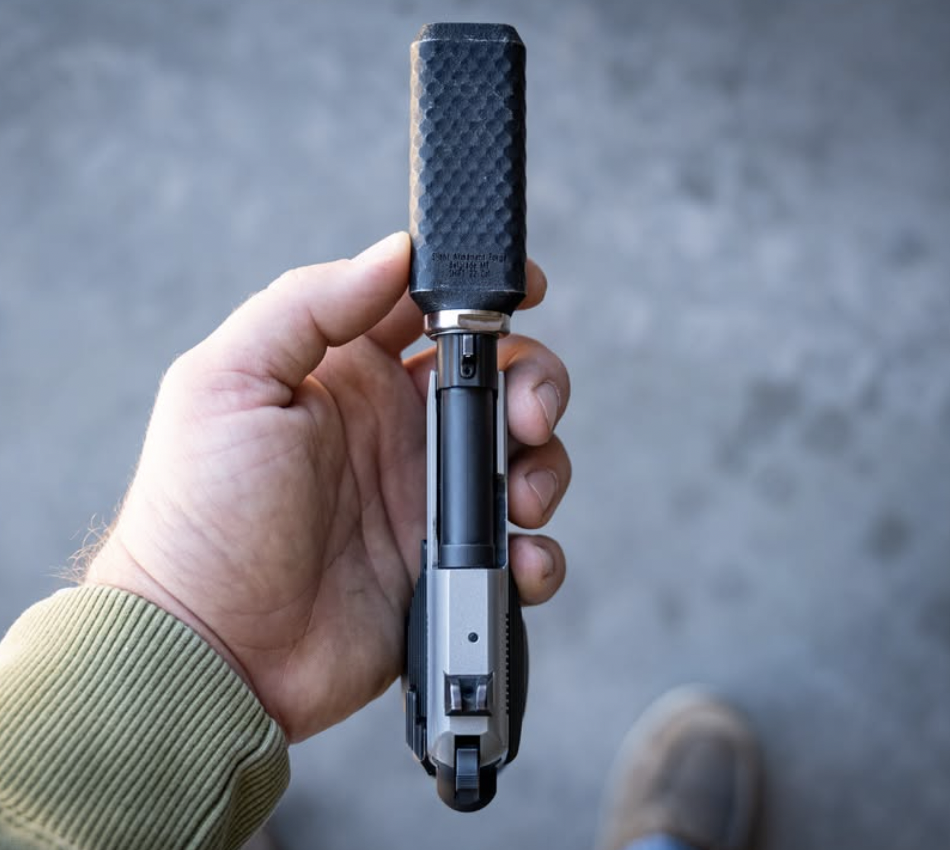
There are several reasons firearm owners consider adding a rimfire suppressor to their collection.
Reduced Firearm Noise
One of the biggest reasons people purchase suppressors is to reduce the sound signature of their firearms. A properly matched rimfire suppressor can significantly reduce the report of a compatible firearm. However, hearing protection may still be necessary depending on the firearm, ammunition, and shooting environment.
Versatility Across Compatible Firearms
Some rimfire suppressors can be used with multiple compatible firearms. However, compatibility depends on the manufacturer's caliber ratings, mounting requirements, and approved applications.
A Different Recreational Shooting Experience
Rimfire firearms are frequently used for recreational shooting, target practice, and small-game hunting. A compatible suppressor can make these activities more enjoyable by reducing firearm noise.
Lightweight Suppressor Options
Many rimfire suppressors prioritize compact dimensions and manageable weight. This can be particularly appealing to shooters who want to maintain the balance and handling characteristics of their rimfire firearm.
Why Consider the SilentAF SHFT?
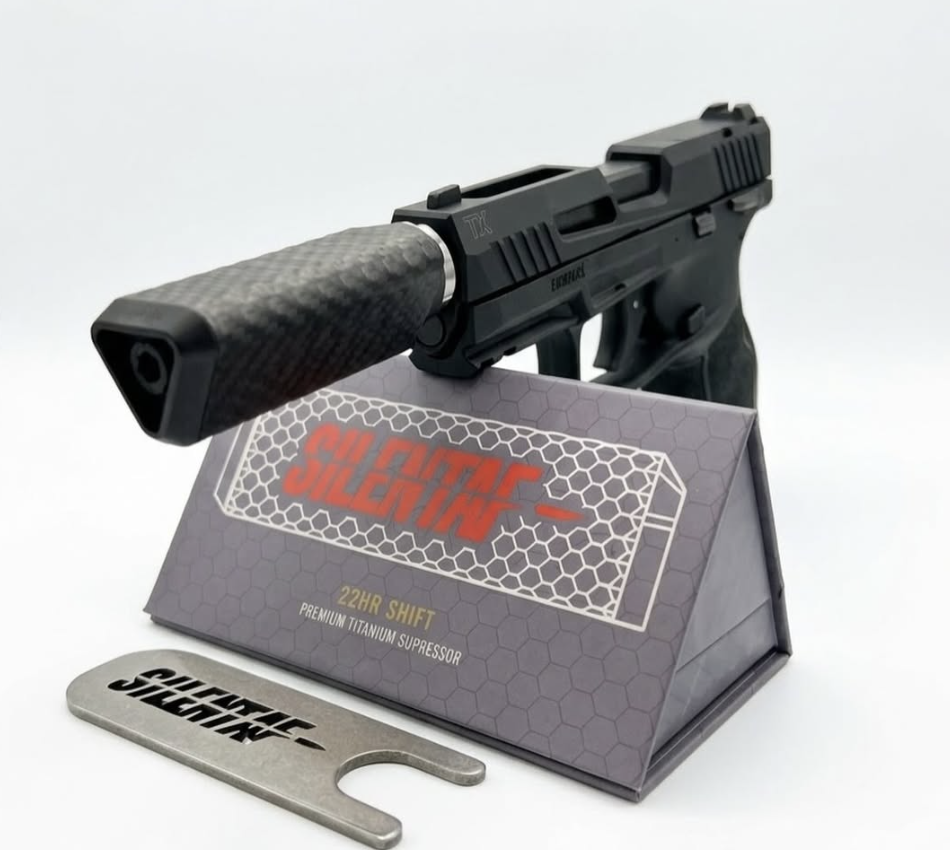
If you're researching rimfire suppressors, take a closer look at the SilentAF 22 SHFT.
Silent Armament Forge (SilentAF) focuses on suppressor engineering, innovative manufacturing, and purpose-built firearm accessories. The SHFT is an option worth exploring when comparing suppressors and evaluating what works best for your intended application.
When researching the SHFT, consider its published specifications, approved caliber compatibility, mounting requirements, and maintenance recommendations.
Built for rimfires — plus the centerfire 5.7×28 — it runs a 3D-printed titanium core with a 17-4 stainless muzzle brake, weighs just 1.8 oz, measures 3.0" long and 1.2" in diameter, is full-auto rated, and cycles flawlessly with subsonics, supersonics, and FRTs while delivering incredible sound reduction.
Choosing a suppressor should involve more than looking at its appearance or price. Understanding the engineering, construction, and intended applications behind a product can help you make a more informed decision.
Explore the SilentAF SHFT and see what Silent Armament Forge brings to the suppressor market.
Understand Suppressor Laws Before Purchasing
Before purchasing a rimfire suppressor, it's important to understand the applicable federal, state, and local regulations.
Suppressor ownership and transfers in the United States are governed by applicable laws and regulations. Requirements can vary depending on your location and may change over time.
Consult the Bureau of Alcohol, Tobacco, Firearms and Explosives (ATF) and qualified legal resources to understand the current requirements before purchasing or transferring a suppressor.
Find Your Next Suppressor at Silent Armament Forge
Choosing the right rimfire suppressor means evaluating several important factors, including caliber compatibility, construction materials, overall weight, mounting configuration, and maintenance requirements.
Whether you're researching your first .22 LR suppressor or comparing options for an existing rimfire setup, taking the time to understand these features can help narrow down your choices.
The SilentAF SHFT deserves a closer look as you explore your suppressor options.
Visit Silent Armament Forge to explore the SHFT and discover a lineup built around purposeful engineering, modern manufacturing, and suppressor innovation.
Silent Armament Forge – Engineered for Performance. Built for the Future.
Be sure to follow SilentAF on Instagram!